

Fed-Batch Cultivation
Fed-batch cultivation is a process in which nutrients are added during culture without continuous removal of the culture medium.
Fed-Batch Cultivation
Fed-batch cultivation is a process in which nutrients are added during culture without continuous removal of the culture medium.
Fed-batch cultivation is a culture strategy in which one or more nutrients are added to the system during the process without continuous removal of culture medium. This approach allows substrate availability to be controlled over time, helping prevent nutrient excess, regulate cellular metabolism, and extend productive cultivation phases.
How does fed-batch cultivation work?
A fed-batch process usually begins much like a conventional batch culture, with cells or microorganisms inoculated into an initial volume of medium. During cultivation, a feed solution containing carbon sources, nitrogen, salts, vitamins, or other nutrients is added continuously, intermittently, or according to a defined control strategy.
The main difference from batch cultivation is that selected nutrients do not need to be supplied entirely at the beginning. Instead, their concentration can be managed throughout the process. This is particularly useful when high substrate concentrations cause growth inhibition, unwanted by-product formation, osmotic effects, or metabolic shifts.
Why is fed-batch cultivation important in bioprocessing?
Supplying all nutrients at the start of a process is not always optimal. In microbial cultures, for example, excessive carbon availability can drive metabolic pathways that generate undesirable by-products. By controlling the feed rate, a fed-batch strategy can better match nutrient supply with the metabolic capacity of the cells.
Fed-batch cultivation is also widely used to achieve high cell densities, extend biomass accumulation, and maintain controlled growth conditions. For these reasons, it is one of the most common operating modes in industrial and laboratory bioprocess development.
Fed-batch feeding strategies
Different feeding profiles can be used depending on the organism, product, and process objective. Common approaches include:
- constant feed rate;
- stepwise or pulse feeding;
- exponential feeding;
- feedback-controlled feeding;
- feeding based on signals such as dissolved oxygen, pH, or substrate consumption.
The selected feed strategy directly affects growth rate, substrate concentration, oxygen demand, and cellular metabolism. A successful strategy therefore requires coordination between nutrient supply and the physiological state of the culture.
Fed-batch cultivation, oxygen demand, and metabolism
As feeding supports biomass growth, oxygen demand may increase significantly. In aerobic processes, the feed rate must therefore be considered together with the oxygen transfer capacity of the bioreactor.
If substrate is supplied faster than cells can metabolize it, or faster than the system can provide sufficient oxygen, substrate accumulation and metabolic overflow may occur. This can reduce process efficiency and alter product formation. Monitoring variables such as dissolved oxygen, biomass, pH, gas exchange, and substrate concentration can help guide feeding decisions.
Applications of fed-batch cultivation
Fed-batch cultivation is widely used in biotechnology, biochemical engineering, and industrial fermentation. Typical applications include:
- bacterial and yeast cultivation;
- recombinant protein production;
- enzyme and metabolite production;
- mammalian cell culture;
- high-cell-density processes;
- biomass production;
- bioprocess optimization and scale-up studies.
Batch vs fed-batch vs continuous cultivation
In batch cultivation, most nutrients are typically provided at the beginning and no substantial feeding occurs during the process. In fed-batch cultivation, nutrients are added over time without an equivalent continuous withdrawal of culture. In continuous cultivation, fresh medium is introduced while an equivalent volume of culture is removed, allowing the system to operate under conditions that may approach steady state.
Frequently asked questions about Fed-Batch Cultivation
What is the main advantage of fed-batch cultivation?
Its main advantage is the ability to control nutrient availability over time. This can reduce substrate inhibition or metabolic overflow and can support higher cell densities and improved process control.
How is the feed rate determined in a fed-batch process?
The feed rate may be constant, exponential, stepwise, or adjusted using process feedback. The appropriate strategy depends on the organism, desired growth rate, process objective, and oxygen transfer capacity.
Does fed-batch cultivation always improve productivity?
No. Performance depends on feed composition, feed rate, cellular physiology, oxygen availability, medium properties, and other operating conditions. Poorly designed feeding can cause substrate accumulation or metabolic limitations.
Referenced products
3 3 products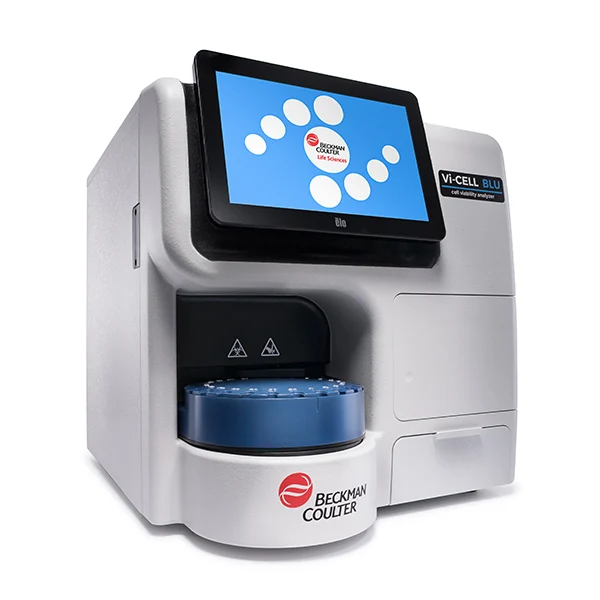
Vi-CELL BLU
The Vi-CELL BLU is the most advanced cell viability analyzer, automating Trypan Blue Exclusion for fast and accurate analysis.
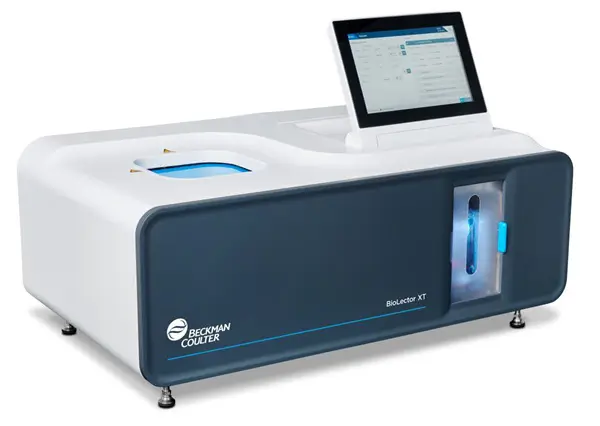
BioLector XT
The BioLector XT Microbioreactor will optimize your process. Precise control of pH, biomass, and DO with patented microfluidic technology and optical sensors.
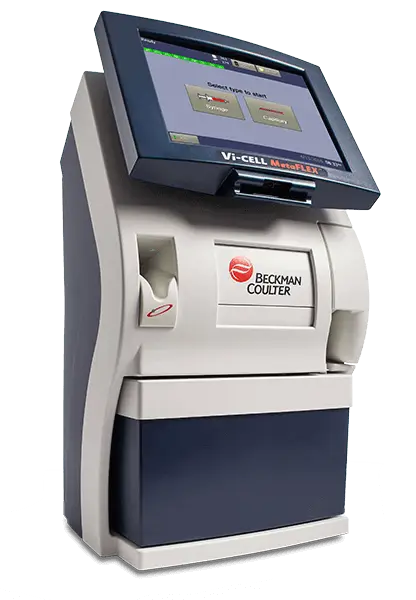
Vi-CELL MetaFLEX
The Vi-CELL MetaFLEX is the bioanalytical analyzer for pH, pO2, pCO2, glucose, lactate, and electrolyte analysis. 65 µL samples in 35s with low maintenance.
Stay in the loop
Get updates, articles and news by email.
Expect news about equipment, services and regulations tailored to your locale.