

High-Throughput Cultivation Microbioreactor - BioLector XT
The BioLector XT Microbioreactor will optimize your process. Precise control of pH, biomass, and DO with patented microfluidic technology and optical sensors.
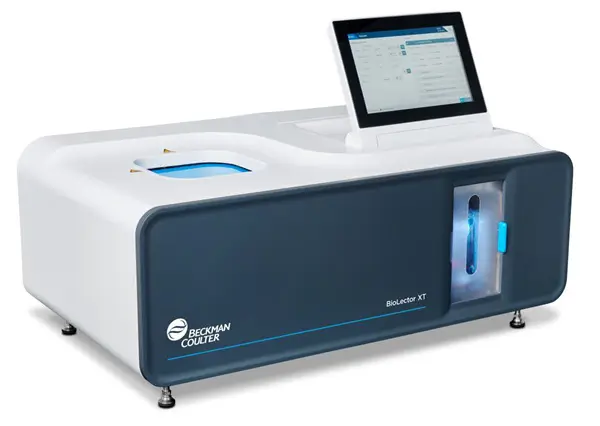
BioLector XT
The BioLector XT Microbioreactor will optimize your process. Precise control of pH, biomass, and DO with patented microfluidic technology and optical sensors.
The BioLector XT Microbioreactor will optimize your process. Precise control of pH, biomass, and DO with patented microfluidic technology and optical sensors.
BioLector XT
The BioLector XT Microbioreactor will optimize your process. Precise control of pH, biomass, and DO with patented microfluidic technology and optical sensors.
Introduction to the BioLector Microbioreactor
The BioLector Microbioreactor represents an innovation in high-throughput bioprocessing . This microbioreactor is designed to be fast, easy to use, and suitable for any laboratory. With the ability to evaluate biomass, fluorescence, pH, OD, and other key parameters in real time, the BioLector is ideal for both aerobic and anaerobic cultures, including cell culture . This advanced system provides deep insights into bioprocess development, enabling fast and informed decision-making.
Main Features of the BioLector
The BioLector microbioreactor brings together the best features of previous models, offering a complete and efficient solution for bioprocessing. Based on a standard ANSI/SLAS (SBS) microtiter plate (MTP) format, it operates with online pre-calibrated optical sensors. This technology enables accurate measurement of biomass, fluorescence, pH, and OD.
Microtiter Plate Technology
The BioLector disposable 48-well MTPs enable precise and constant online measurements. These wells are equipped with patented microfluidic technology, supporting simultaneous pH control and feeding. This approach eliminates the need for manual liquid handling, reducing the risk of contamination and human error.
Optional Microfluidic Module
The optional BioLector microfluidic module eliminates the need for tubing and pipetting. This integrated solution makes bioprocessing more efficient and safer, using ready-to-use gamma-irradiated plates. This results in a fast and easy setup, allowing researchers to focus on results rather than preparation.
Advantages of Using the BioLector Microbioreactor
Using the BioLector microbioreactor offers several advantages for laboratories and research centers:
- Efficiency and Speed : High-precision technology and optical sensors enable fast and reliable evaluations.
- Flexibility : Suitable for aerobic and anaerobic cultures, adapting to various research needs.
- Error Reduction : The microfluidic module reduces the risk of contamination and human error.
- Ease of Use : Disposable plates and intuitive setup simplify daily operation.
Applications of the Microbioreactor BioLector
The BioLector is widely used across multiple research and development areas:
- Bioprocess Development : Evaluation of critical parameters for process optimization.
- Fermentation Research : Precise monitoring and control of fermentation conditions.
- Biotechnology and Pharmaceutical Fields : Development of biotechnological products and medicines.
Case Studies
Case Study 1: Optimization of Protein Production
In a recent study, the microbioreactor BioLector was used to optimize protein production in E. coli. Using pH and OD sensors, researchers were able to adjust culture conditions in real time, resulting in a significant increase in protein yield. This study demonstrated how the BioLector can accelerate process development and improve productivity.
Case Study 2: Yeast Fermentation
Another example of effective BioLector use is in yeast fermentation for ethanol production. Precise control of fermentation conditions enabled more efficient and higher-quality production. Real-time monitoring of biomass and pH helped optimize culture conditions, resulting in a more robust and reproducible process.
Advanced Technologies in the BioLector
Optical Sensors
The BioLector’s optical sensors are one of its key advantages. They allow precise and continuous measurements without manual sampling. These sensors can measure various parameters such as biomass, fluorescence, and pH, providing a comprehensive view of the cultivation process.
Microfluidics
Integrated microfluidic technology enables precise control of the cultivation environment. With the ability to automatically add nutrients and adjust pH, the BioLector ensures optimal conditions for cell growth. This technology reduces the need for manual intervention, lowering the risk of errors and contamination.
Implementation of the BioLector in Laboratories
Implementing the BioLector microbioreactor in research laboratories is simple and straightforward. The system is compatible with data analysis software, making integration with existing systems easy. In addition, the user-friendly interface enables fast and efficient training.
Implementation Steps
- Initial Setup : Equipment installation and sensor calibration.
- Training : Preparing the team to operate the BioLector.
- Software Integration : Connecting to existing data analysis systems.
- Daily Operation : Continuous monitoring and adjustments as needed.
Future of the BioLector Microbioreactor
The BioLector continues to evolve with the introduction of new technologies and enhancements. Ongoing development of more advanced sensors and microfluidic technologies promises to further increase the efficiency and precision of this microbioreactor. Future versions are expected to include additional features that will make bioprocessing even more accessible and effective.
Conclusion
The microbioreactor BioLector is an indispensable tool for any laboratory seeking efficiency and precision in bioprocessing. Its advanced technology and intuitive design facilitate the acquisition of accurate and reliable data, accelerating bioprocess development and scientific research. With the BioLector, researchers can obtain deep and rapid insights, enabling significant advancements in their fields of study.
By choosing the BioLector microbioreactor, laboratories invest in a solution that delivers high throughput, ease of use, and precise results—essential elements for success in bioprocessing and scientific research. This investment not only improves the quality of results obtained but also increases productivity and operational efficiency.
Frequently Asked Questions from Technicians About the BioLector
1. What is the cultivation capacity of the BioLector in terms of volume and number of wells per plate?
The BioLector uses 48-well microtiter plates, with cultivation volume per well varying depending on the application, providing high data density in a compact format.
2. Which parameters can the BioLector monitor in real time, and with what accuracy?
The BioLector enables continuous and precise measurement of parameters such as biomass, fluorescence, pH, and OD using high-precision optical sensors, without the need for manual sampling.
3. How does the optional microfluidic module contribute to process control?
The microfluidic module enables automatic pH control and simultaneous nutrient feeding in the wells, eliminating the need for tubing and pipetting, thereby reducing contamination risk and human error.
4. What is the advantage of using disposable plates in the BioLector?
The 48-well disposable plates offer convenience by eliminating the need for cleaning and sterilization, while ensuring process integrity by reducing the risk of cross-contamination.
5. Is the BioLector suitable for aerobic and anaerobic cultures?
Yes, the BioLector is designed for both aerobic and anaerobic cultures, with flexibility to adapt to various cultivation conditions, including cell culture and microbial fermentation.
6. What is the impact of the BioLector on the efficiency of bioprocess development?
The BioLector accelerates bioprocess development by providing real-time data on critical parameters, enabling fast adjustments and continuous optimization, resulting in more efficient production.
7. What is the BioLector’s capacity for integration with other data analysis systems?
The BioLector is compatible with data analysis software, which facilitates integration with existing laboratory systems, ensuring efficient analysis of large data volumes.
8. How does the BioLector help reduce contamination risk during cultivation?
Microfluidic technology and the use of disposable plates minimize manual handling of liquids and process components, significantly reducing contamination risk during cultivation.
9. Does the BioLector require frequent calibration or maintenance?
The BioLector comes with pre-calibrated optical sensors, reducing the need for frequent calibration. However, the equipment may require periodic maintenance to ensure optimal performance over time.
10. What are the main benefits of using the BioLector in pharmaceutical and biotechnological research?
The BioLector provides fast and accurate insights essential for developing biotechnological products and medicines, improving result quality and the reproducibility of fermentation and cell culture processes.
Related articles
3 3 articlesGAVE 2026 highlights: extracellular vesicles from placental biology to vaccines
The fourth GAVE workshop brought researchers together in Buenos Aires to discuss the roles and applications of extracellular vesicles. Reliable isolation and characterization emerged as challenges across the studies presented.
Oxygen Limitation in High-Density Microbial Cultures: Feeding, DO and Process Control
How oxygen availability, substrate feeding and dissolved oxygen control affect high-density microbial cultures, with results from E. coli and Vibrio natriegens.
GAVE 2026: Argentina's Extracellular Vesicle Meeting and How to Characterize Them
GAVE 2026, the IV Workshop of the Argentinian Group for Extracellular Vesicles, takes place Sept 24-25 at UBA, Buenos Aires. Discover the event, speakers and EV characterization by NTA.
Stay in the loop
Get updates, articles and news by email.
Expect news about equipment, services and regulations tailored to your locale.