

Extracellular Vesicles at the Heart of Argentine Science: What to Expect from the IV GAVE Workshop
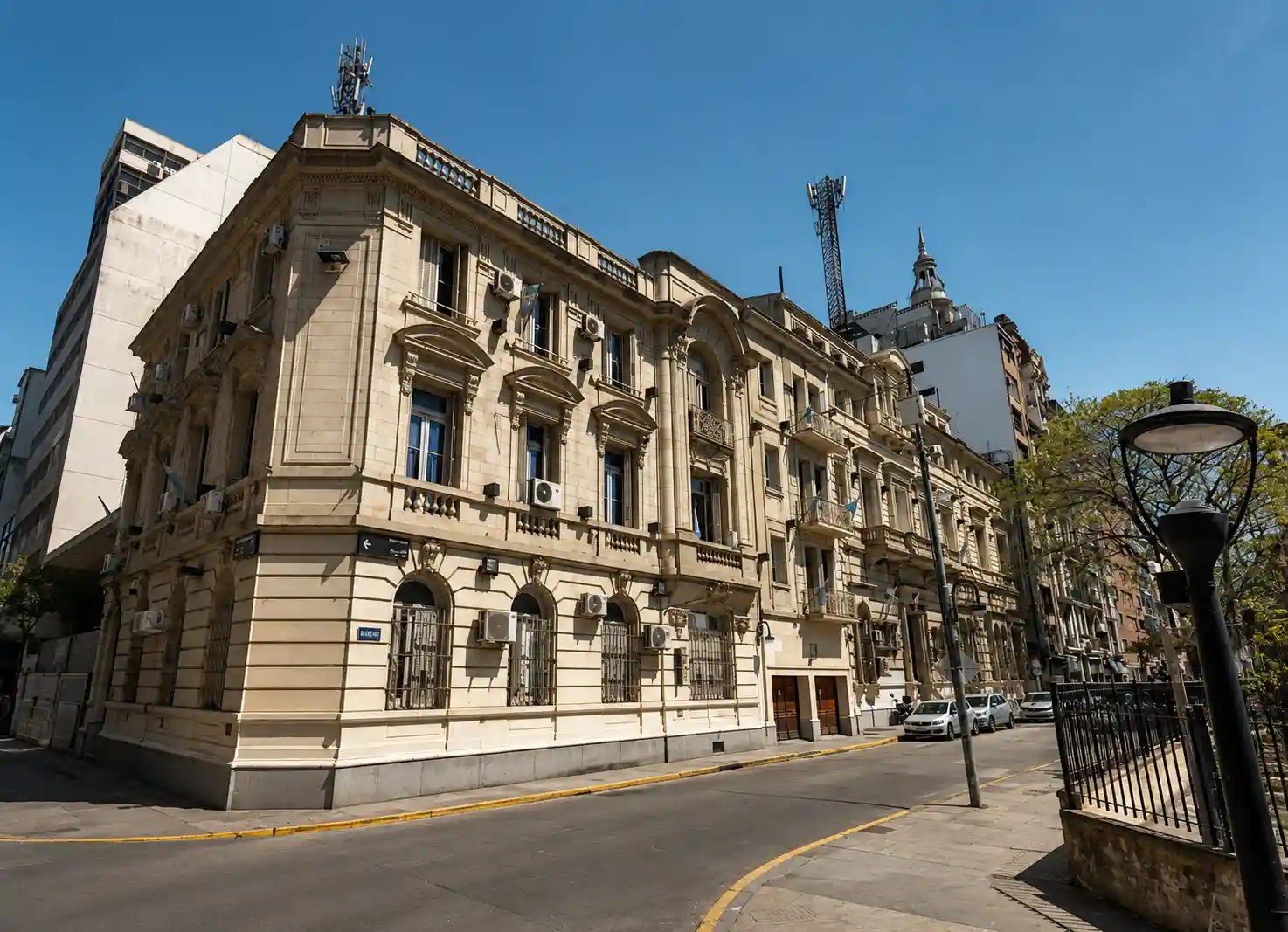
The GAVE 2026 is the IV Workshop of the Argentine Group of Extracellular Vesicles, to be held on September 24 and 25, 2026, in the Cero+Infinito building at the Faculty of Exact and Natural Sciences of the University of Buenos Aires (UBA) , in the Autonomous City of Buenos Aires. It is the main meeting point for the Argentine community studying extracellular vesicles (EVs): a space to share scientific advances, generate collaborations, and strengthen a network that continues to grow.
Research on extracellular vesicles is experiencing a period of expansion across Latin America. The International Society for Extracellular Vesicles (ISEV) notes a year-on-year increase in the number of scientific publications on EVs, driven by their strong potential as biomarkers and therapeutic agents . In this context, GAVE 2026 adds two sponsors from the analytical instrumentation field: Innotec and Particle Metrix , who support the community with reference technologies for nanoparticle characterization.
| Event | IV Workshop of the Argentine Group of Extracellular Vesicles (GAVE 2026) |
| Dates | September 24 and 25, 2026 |
| Location | Room 1401, Cero+Infinito building, FCEN - UBA, CABA, Argentina |
| Abstract Submission | Until August 10, 2026 |
| Registration | Until August 30, 2026 |
| Format | In-person. Oral activities in English; bilingual posters |
| Official Website | sites.google.com/view/gavear |
What is GAVE and what is the IV Workshop 2026?
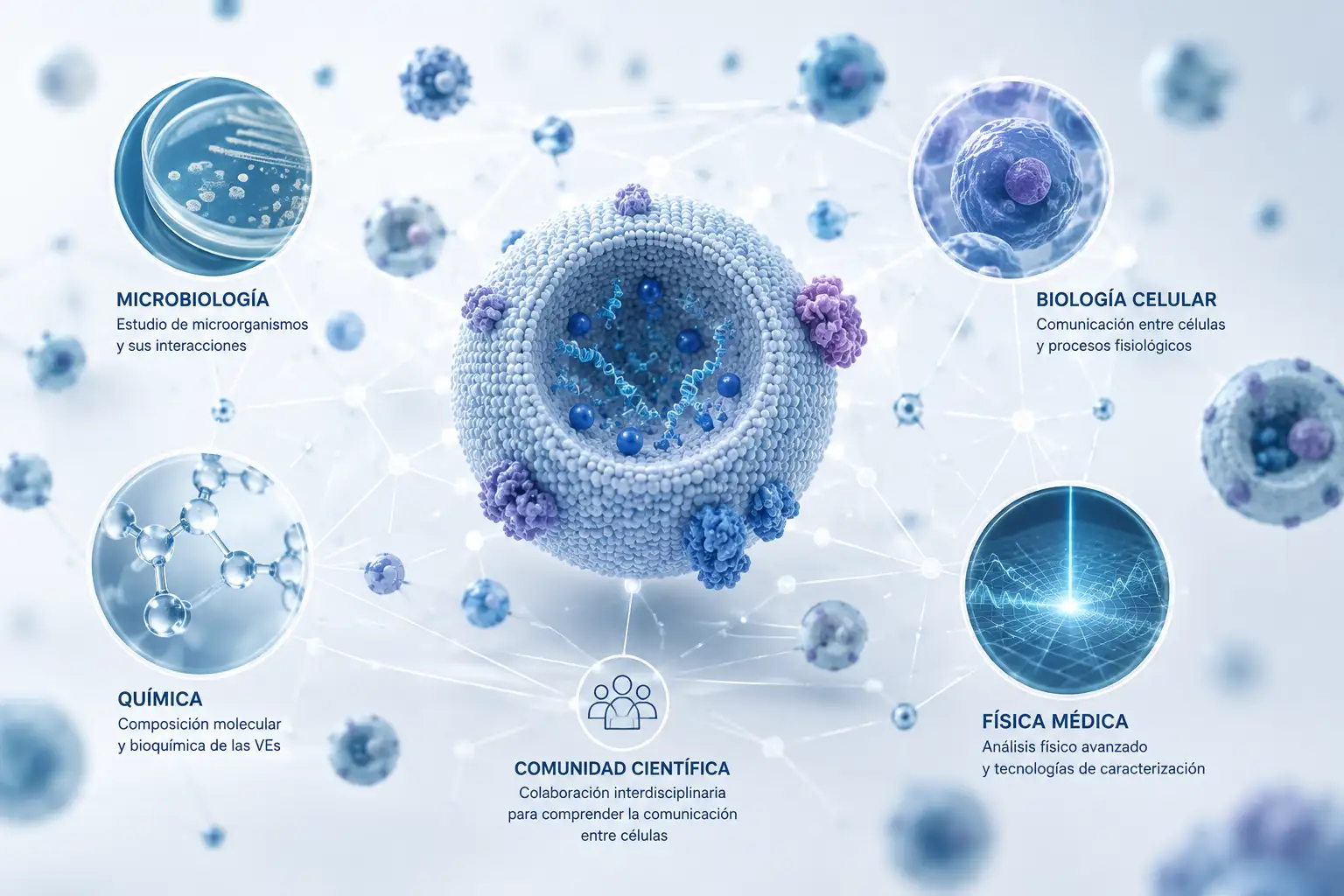
The Argentine Group of Extracellular Vesicles (GAVE) was created in 2022 with the aim of bringing together researchers from Argentina dedicated to the study of EVs and promoting interaction between national and international groups. Its members come from disciplines as diverse as microbiology, cell biology, chemistry, and medical physics, united by a common interest: understanding this phenomenon of cell-to-cell communication.
The IV GAVE Workshop 2026 will bring together researchers, professionals, and students working in the field of extracellular vesicles. All research areas in EVs are welcome, making the meeting a multidisciplinary space that is uncommon in the region.
A new feature of this edition is the language. After consulting the community through a survey, oral activities, plenary lectures, oral communications, and selected presentations will be conducted in English. The poster session will maintain a bilingual format: abstracts and posters will be presented in English, while discussion with evaluators can be held in Spanish.
Program and highlights of GAVE 2026
In addition to the traditional scientific program, GAVE 2026 incorporates two special sessions focused on regional integration and technological innovation, along with a panel of top-tier international guests.
Special sessions of the GAVE Workshop
The first session, Building the Latin American Extracellular Vesicle Community , will bring together leaders from different countries and international guests to discuss how to strengthen the regional community, boost collaborations, enhance the training of young researchers, and increase Latin America's visibility on the global stage.
The second, From Lab to Market: Innovation and Technology Transfer , will bring together researchers, entrepreneurs, and leaders from the innovation ecosystem to share experiences in creating startups and technology transfer in biotechnology, addressing challenges such as intellectual property, financing, regulation, and scaling.
International guests of GAVE 2026
The event will feature the participation of international leaders in the field of extracellular vesicles:
Antonio Marcilla - University of Valencia, Spain
Marcilla is a reference in the study of extracellular vesicles released by parasitic helminths. His group first described, in 2012, the presence of EVs in the excretion-secretion products of Fasciola hepatica , opening a pathway to understanding parasite-host communication through these nanoparticles.
Ana Claudia Trocoli Torrecilhas - Federal University of São Paulo (UNIFESP), Brazil
Torrecilhas investigates extracellular vesicles in parasite-host interaction, focusing on Trypanosoma cruzi , the causative agent of Chagas disease. Her work analyzes how EVs from different parasite strains modulate the host immune response, a key contribution to the study of EVs in infectious diseases.
Manuel Varas-Godoy - San Sebastián University, Chile
Varas-Godoy leads a cancer cell biology laboratory focused on the role of extracellular vesicles in tumor progression. He studies how stimuli such as chemotherapy and hypoxia modify EV secretion and their cargo, promoting therapeutic resistance and transformation of the tumor microenvironment.
Vanessa Morais Freitas - University of São Paulo (USP), Brazil
Freitas directs the Tumor Microenvironment Laboratory, where she investigates how cellular and non-cellular components of the environment influence tumor genesis, progression, and metastasis. Her research examines the role of extracellular vesicles released by tumor cells in preparing pre-metastatic niches.
My Mahoney - Thomas Jefferson University, USA
Mahoney, a member of the ISEV community and co-author of the MISEV2023 guidelines, researches extracellular vesicles in the context of cancer, including head and neck carcinomas and melanoma. Her work addresses EV uptake mechanisms and their application in biomarker discovery and therapy design.
Marcel Ramírez - Carlos Chagas Institute (Fiocruz Paraná), Brazil
Ramírez coordinates the research group on Extracellular Vesicles and Host-Parasite Interactions, focusing on Trypanosoma cruzi . He studies how EVs released during infection modulate the immune system and their potential as biomarkers and as a basis for cell-free therapeutic strategies.
Key dates and registration
To participate in GAVE 2026, it is important to keep the deadline calendar in mind, especially for those wishing to submit work:
Abstract submission: until August 10, 2026, through the Química Viva platform.
Event registration: until August 30, 2026. Priority will be given to those presenting work and those who have made the annual voluntary contribution to GAVE, due to limited room capacity.
Workshop dates: September 24 and 25, 2026, in Room 1401 of the Cero+Infinito building, UBA.
Poster and oral communication presentations will be exclusively in-person, so physical attendance is a requirement for presenting work.
What are extracellular vesicles and why do they matter?
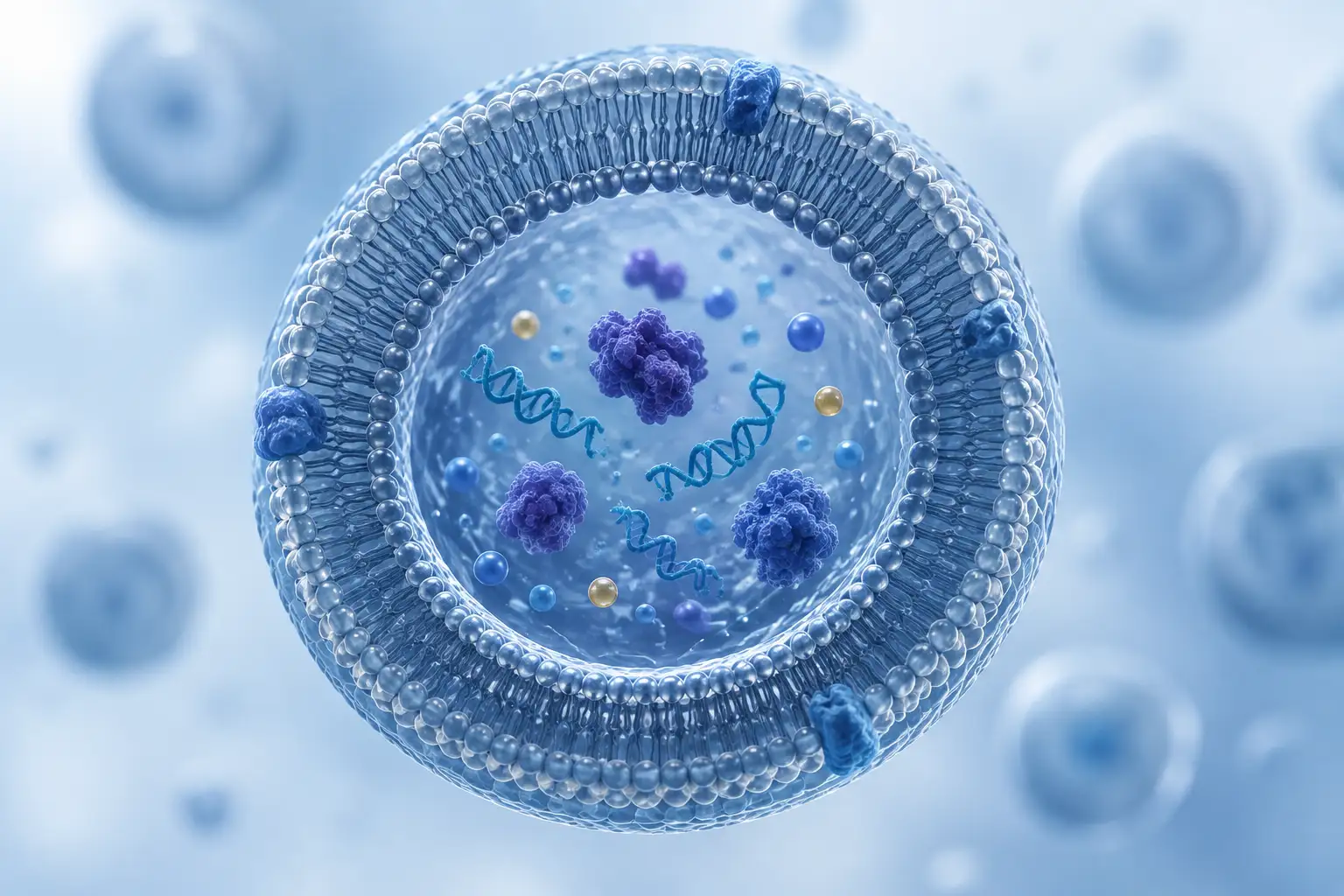
Extracellular vesicles are nanoparticles delimited by a lipid bilayer that cells release into their surrounding environment. This group includes exosomes and microvesicles, which transport proteins, lipids, and genetic material from one cell to another. That is why they are considered key vehicles of intercellular communication.
Their scientific interest has grown strongly because their content reflects the state of the cell that produces them . This makes them promising candidates as biomarkers for diagnosis and as therapeutic platforms, with applications ranging from oncology to regenerative medicine and advanced therapies.
The challenge lies in analyzing them. Extracellular vesicles are very small and heterogeneous, and they coexist with other non-vesicular particles, which requires robust and standardized characterization methods.
How extracellular vesicles are characterized
Characterizing extracellular vesicles involves answering at least three questions: what size they are, at what concentration they are present, and what surface properties they exhibit. The ISEV MISEV2023 guideline brings together available approaches for the production, separation, and characterization of EVs from cell cultures, body fluids, and tissues.
Size and concentration by NTA - ZetaView Evolution
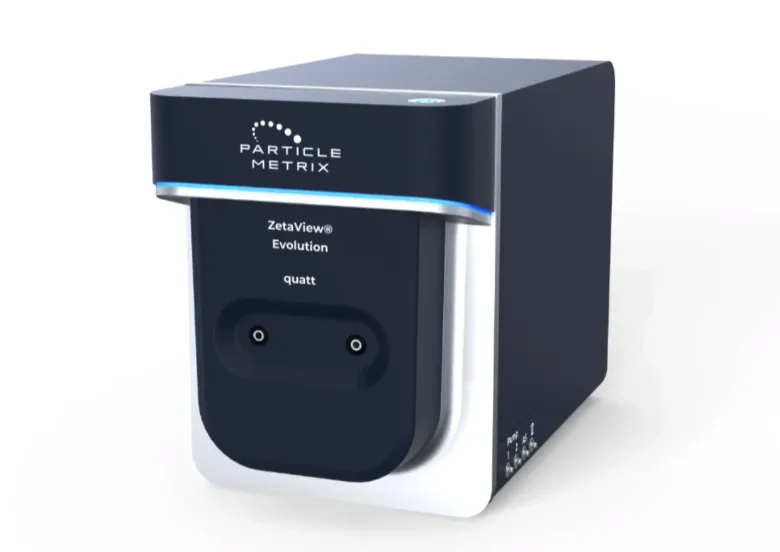
Nanoparticle tracking analysis (NTA) is one of the most widely used techniques for measuring the size and concentration of extracellular vesicles. The ZetaView , from Particle Metrix, applies NTA to quantify size distribution and the number of particles per milliliter, two central parameters in any EV study.
Beyond size, the stability of a vesicle suspension depends on its surface charges. The ZetaView measures zeta potential and combines fluorescence detection with multiple wavelengths, allowing the identification of specifically labeled subpopulations within a heterogeneous sample. This ability to distinguish populations is especially valuable when seeking to separate EVs from contaminating particles.
Cell counting and viability - Vi-CELL BLU
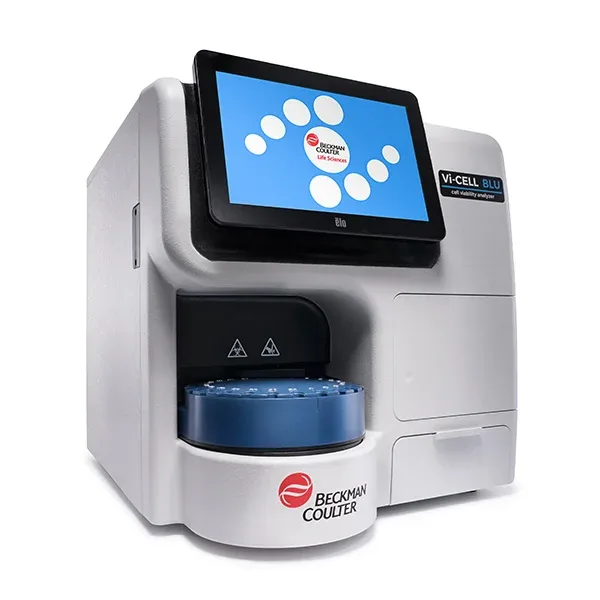
The Vi-CELL BLU automates cell counting and viability measurement in cultures, an essential control to ensure that extracellular vesicle-producing cells remain healthy and at the appropriate density throughout the process.
Culture media analysis - Vi-CELL MetaFLEX
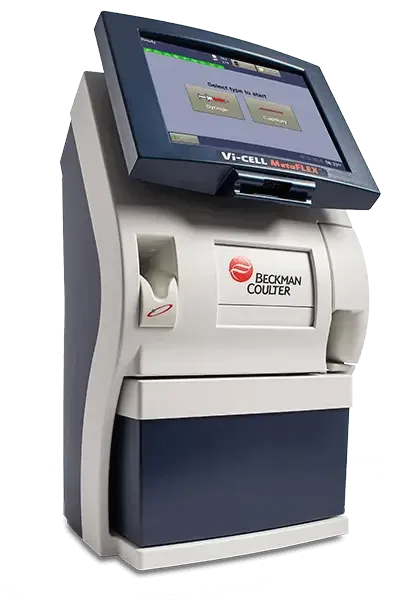
The Vi-CELL MetaFLEX analyzes key culture media parameters, such as pH, glucose, lactate, and dissolved gases, in a single assay. This monitoring allows adjustment of culture conditions and sustains EV production yield.
Online monitoring of microbioreactors - BioLector
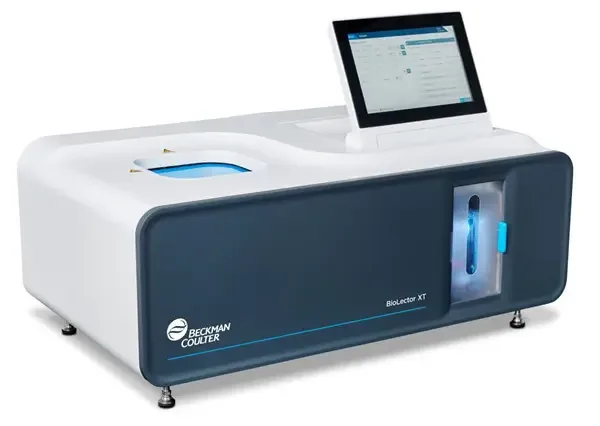
The BioLector allows online monitoring of microbioreactors, with continuous reading of culture variables. It is a useful tool for optimizing and scaling extracellular vesicle production conditions in a reproducible manner.
Particle counting and sizing by Coulter principle - Multisizer 4e (MS4)
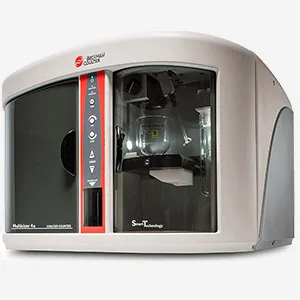
As a complementary technology, the Multisizer 4e (MS4) performs particle counting and sizing using the Coulter principle, expanding the range of available tools depending on the sample type and study objective.
Innotec and Particle Metrix at GAVE 2026
As sponsors of the IV GAVE Workshop 2026, Innotec and Particle Metrix support the Argentine extracellular vesicle community with instrumentation solutions designed for nanoparticle characterization and bioprocess control. The presence of technology providers at this type of meeting brings researchers closer to the tools they need to take their results from the lab to real-world applications.
GAVE 2026 is an opportunity to see firsthand how NTA, zeta potential, and culture monitoring integrate into a reliable workflow for EV studies. For more information, talk to Innotec.
Frequently asked questions about GAVE 2026
When and where will GAVE 2026 take place?
On September 24 and 25, 2026, in Room 1401 of the Cero+Infinito building, Faculty of Exact and Natural Sciences, UBA, in the Autonomous City of Buenos Aires, Argentina.
How do I register for the event?
Registration is done through the official form provided by the organization, until August 30, 2026. All attendees must complete it.
Until when can I submit abstracts?
The deadline for abstract submission is August 10, 2026, through the Química Viva virtual platform.
What language are the presentations in?
Oral activities are conducted in English. The poster session is bilingual: abstracts and posters are presented in English, while discussion with evaluators can be held in Spanish.
What are extracellular vesicles?
They are nanoparticles delimited by a lipid bilayer that cells release into the medium, transporting proteins, lipids, and genetic material. They participate in cell-to-cell communication and have potential as biomarkers and therapeutic agents.
How are extracellular vesicles measured by NTA?
Nanoparticle tracking analysis (NTA) tracks the Brownian motion of each particle in suspension to calculate its size and concentration. Equipment such as the ZetaView applies this technique and combines it with zeta potential and fluorescence measurement.
Who are the international guests at GAVE 2026?
Leaders from Spain, Brazil, Chile, and the United States will participate, including members linked to ISEV, the University of São Paulo, the University of Valencia, San Sebastián University, and FIOCRUZ.
Who sponsors GAVE 2026?
Among the sponsors of the IV Workshop are Innotec and Particle Metrix, providing technologies for nanoparticle characterization and bioprocess monitoring.
Related reading
- Analysis of Lipid Nanoparticles (LNPs) for mRNA delivery with ZetaView.
- Complete culture media analysis with Vi-CELL MetaFLEX.
- Nanoparticle dispersity index (glossary).