

Extracellular Vesicles
Extracellular vesicles are cell-released nanoparticles that carry proteins, lipids and genetic material, enabling cell-to-cell communication.
Extracellular Vesicles
Extracellular vesicles are cell-released nanoparticles that carry proteins, lipids and genetic material, enabling cell-to-cell communication.
What are extracellular vesicles?
Extracellular vesicles (EVs) are nanoscale, lipid membrane–bound structures released by virtually all cells into the extracellular environment. They carry proteins, lipids, RNA and DNA, acting as vehicles for communication between cells, both in nearby tissues and at a distance through the bloodstream.
EVs mainly include exosomes (30–150 nm), which originate from multivesicular bodies, and microvesicles (100–1000 nm), formed by direct budding of the plasma membrane.
How they work
Extracellular vesicles transfer their cargo to target cells through membrane fusion, endocytosis or surface receptor interaction. This mechanism alters the recipient cell's behavior, influencing both physiological and pathological processes.
Applications in the laboratory and industry
In research and diagnostics, EVs play a central role across several fronts:
- Biomarkers in liquid biopsy for cancer and neurodegenerative diseases.
- Drug delivery systems and gene therapy.
- Immunology and tissue regeneration studies.
- Quality control in bioprocesses and cell therapies.
Their characterization requires specific instruments such as NTA (Nanoparticle Tracking Analysis), nanoparticle flow cytometry and electron microscopy, which measure particle size, concentration and distribution.
What is the difference between exosomes and extracellular vesicles?
Exosomes are a subtype of extracellular vesicles. EV is the umbrella term that includes exosomes, microvesicles and apoptotic bodies.
How are extracellular vesicles isolated?
The most common methods are ultracentrifugation, size-exclusion chromatography, precipitation and ultrafiltration, chosen according to the desired purity and sample volume.
Why are extracellular vesicles important in medicine?
Because they reflect the state of their cell of origin, they enable non-invasive diagnosis and pave the way for highly precise targeted therapies.
Other terms with the letter "E"
View allEndosomal Compartment of Cells
A system of organelles that receives, sorts, and directs internalized cellular cargo toward recycling, degradation, or other destinations.
Exosomes
Exosomes are small extracellular vesicles released by cells that transport biomolecules and participate in intercellular communication.
Extracellular vesicle isolation
Extracellular vesicle isolation separates and enriches EVs from biological fluids or culture media for subsequent analysis and characterization.
Extracellular vesicle characterization
Extracellular vesicle characterization uses complementary techniques to evaluate EV size, concentration, markers and physicochemical properties.
Exosome biomarkers
Exosome biomarkers are vesicle-associated molecules used to investigate EV origin, composition and potential biological functions.
Exosome purification
Exosome purification reduces contaminants and enriches vesicles of interest for subsequent physical, molecular and functional analysis.
Referenced products
6 6 products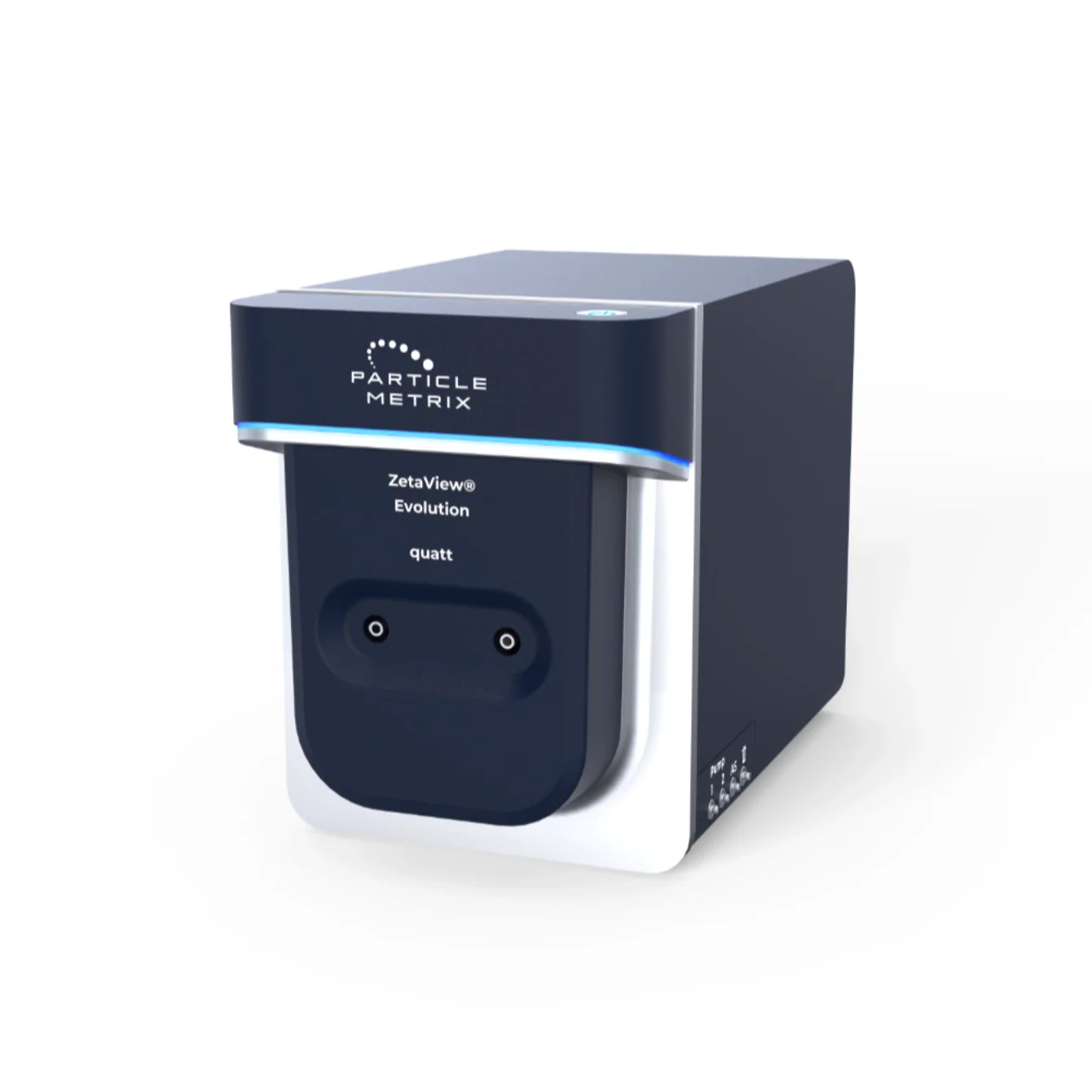
ZetaView Evolution
Nanoparticle Counter and Analyzer, Zeta Potential and fluorescence with 4 wavelengths
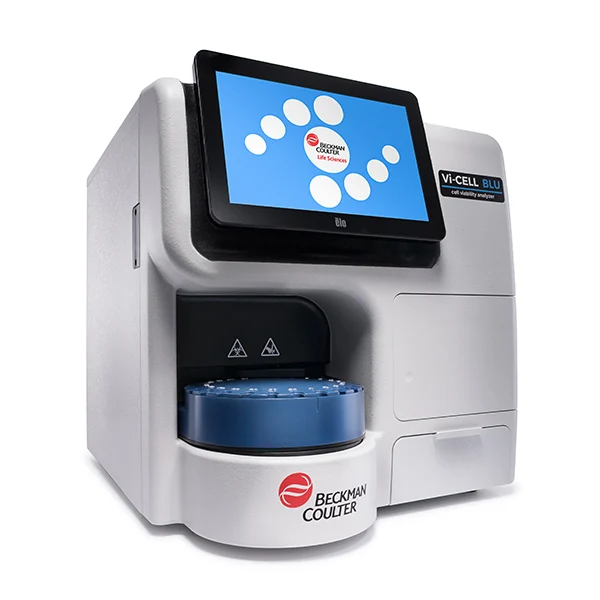
Vi-CELL BLU
The Vi-CELL BLU is the most advanced cell viability analyzer, automating Trypan Blue Exclusion for fast and accurate analysis.
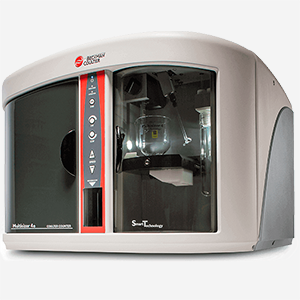
Multisizer 4e
The Multisizer 4e delivers high resolution and precision in particle counting and analysis with DPP, outperforming other technologies.
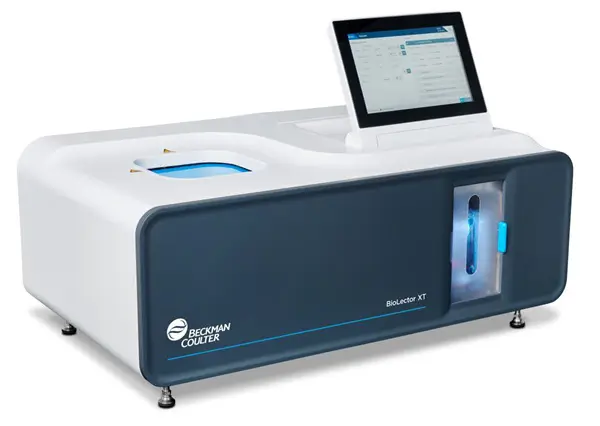
BioLector XT
The BioLector XT Microbioreactor will optimize your process. Precise control of pH, biomass, and DO with patented microfluidic technology and optical sensors.
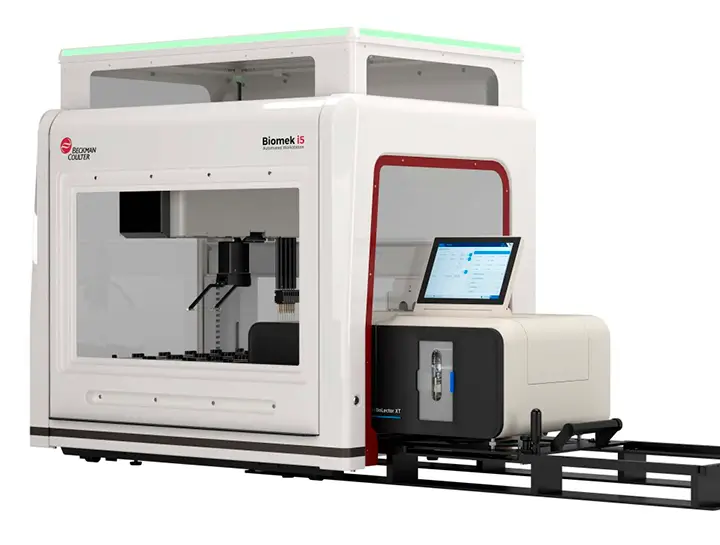
BioLector XT & Biomek i5
BioLector XT Microbioreactor with Biomek i5: Automation of microbial cultivation with real-time measurements. Reduce errors and increase productivity.
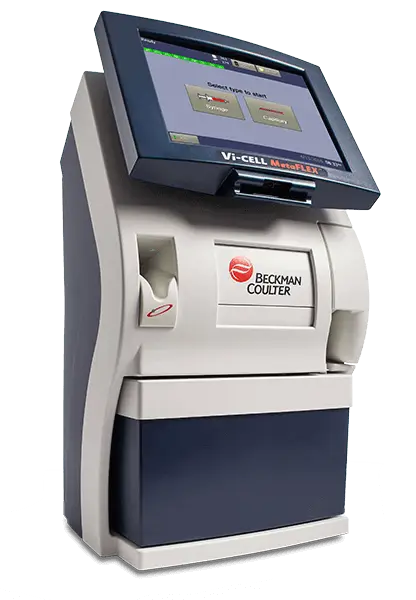
Vi-CELL MetaFLEX
The Vi-CELL MetaFLEX is the bioanalytical analyzer for pH, pO2, pCO2, glucose, lactate, and electrolyte analysis. 65 µL samples in 35s with low maintenance.
Stay in the loop
Get updates, articles and news by email.
Expect news about equipment, services and regulations tailored to your locale.