

Bioreactor: What It Is, How It Works, and How to Choose According to Scale
A bioreactor maintains controlled conditions for cultivating cells or microorganisms and performing biological processes.
Bioreactor: What It Is, How It Works, and How to Choose According to Scale
A bioreactor maintains controlled conditions for cultivating cells or microorganisms and performing biological processes.
A bioreactor is a piece of equipment that maintains controlled conditions so that cells, microorganisms, or enzymes can carry out a biological process, such as growing, fermenting, or producing a protein.
The IUPAC definition describes a bioreactor as an apparatus used to conduct any type of bioprocess , with fermenters and enzyme reactors as classic examples.
The importance of this equipment is reflected in industry figures. A survey published in Nature Biotechnology identified 197 biopharmaceuticals approved in the United States and the European Union between January 2018 and June 2022, with global sales of US$343 billion in 2021 . Among recombinant products manufactured in cellular systems, most are produced using mammalian cells, a type of cultivation that depends on well-controlled bioreactors from the laboratory to the manufacturing plant.
In this guide, you will learn:
- what a bioreactor is and what it is used for;
- the main parts of a bioreactor and how they work together;
- the different types of bioreactors according to design and scale;
- the most commonly used operating modes;
- the main applications in industry and research;
- the criteria for choosing the right bioreactor for your process.
What is a bioreactor and what is it used for?
Cells and microorganisms are highly sensitive to their environment. Small variations in temperature, pH, or oxygen can change how quickly they grow and how much product they generate. A bioreactor is designed to keep these conditions stable throughout cultivation.
A flask on an orbital shaker can also support cell growth, but it provides limited control. In a bioreactor, each important variable is measured continuously and corrected when it moves outside the desired range. The result is a process that can be reproduced, documented, and transferred to larger volumes.
This is why bioreactors are used at very different stages: strain screening in a research laboratory, culture-medium development, pilot production of batches for preclinical studies, and industrial manufacturing of medicines, enzymes, and fermented foods.
Parts of a bioreactor
Despite differences in size and configuration, most bioreactors are built around the same basic components. Understanding each one helps explain why two systems with the same volume can perform very differently.
- Vessel: the container in which cultivation takes place. Bench-scale systems usually use glass vessels, while pilot and industrial systems commonly use stainless steel. Single-use disposable vessels are also available.
- Agitation system: a motor and one or more impellers that mix the contents, distribute nutrients, and disperse gas bubbles.
- Aeration system: tubing or spargers that introduce air, oxygen, nitrogen, or CO 2 into the culture medium.
- Sensors: probes that measure temperature, pH, dissolved oxygen, foam, level and, in some systems, biomass and off-gas composition.
- Temperature control: double jackets, heating elements, or cooling fingers used to heat and cool the culture.
- Pumps: add acid, base, nutrients, and antifoam in controlled amounts.
- Control software: receives data from the sensors, compares the measured values with the programmed setpoints, and activates the appropriate actuators.
These components operate as an integrated system. A highly accurate sensor offers little benefit if the base pump does not respond quickly enough, and efficient agitation loses value if the software does not record batch data correctly. When evaluating a bioreactor, the entire control architecture matters.
How does a bioreactor work?
A bioreactor operates through a simple cycle: measure, compare, and correct. Sensors report the current state of the culture, the controller compares those measurements with the setpoints defined by the operator, and the appropriate actuator is then activated.
A practical example occurs during bacterial growth. Many bacteria produce acids that lower the pH of the culture medium. When the sensor detects this decrease, the controller activates the base pump until the pH returns to the programmed value. The same principle applies to temperature, foam, and oxygen control.
Oxygen requires particular attention. In aerobic processes, it is an essential substrate, but its solubility in aqueous media is limited. Therefore, oxygen must be supplied continuously, and the oxygen transfer rate (OTR) must be understood when designing and scaling bioreactors . Agitation and aeration are largely intended to address this challenge.
In anaerobic processes, the logic is reversed: the system must keep oxygen out of the vessel, typically by introducing nitrogen. In all cases, the culture must also remain sterile, which requires reliable seals and an appropriate sterilization method.
Types of bioreactors by design
Bioreactor design determines how the system mixes its contents and transfers oxygen. Each configuration is better suited to particular cell types or processes.
- Stirred-tank bioreactor: the most widely used configuration for microbial and cell cultivation. Mechanical impellers provide mixing and mass transfer.
- Bubble column and airlift bioreactors: the gas itself circulates the liquid without intensive mechanical agitation. These designs can be useful for shear-sensitive cells.
- Packed-bed and fluidized-bed bioreactors: cells or enzymes are immobilized on a support while the medium circulates through the system.
- Photobioreactor: provides controlled illumination for the cultivation of microalgae and other photosynthetic organisms.
- Single-use bioreactor: uses a disposable vessel or bag, reducing cleaning requirements between batches and lowering the risk of cross-contamination.
In practice, the stirred-tank design dominates bioprocess development because it combines effective mixing, precise control, and a well-established scale-up pathway. This is the configuration used by the systems presented in the next section.
Types of bioreactors by scale
A bioprocess rarely begins at full production scale. It usually starts with dozens of small experiments, progresses to tests at the liter scale, is validated at pilot scale, and only then moves into production. At each stage, the scientific question changes, and so does the ideal bioreactor.
Microbioreactors: many experiments at the same time
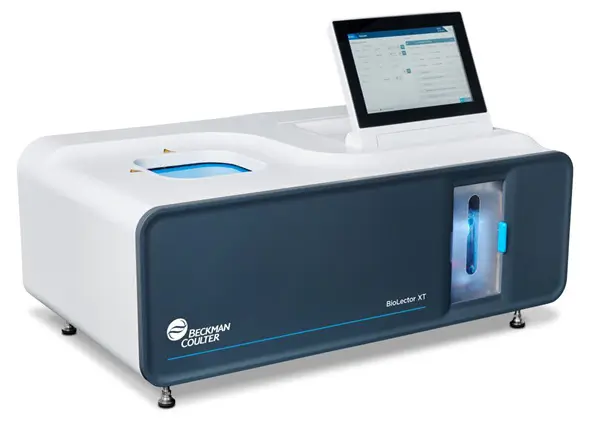
Microbioreactors operate with volumes ranging from microliters to a few milliliters per well. Their main advantage is parallelization: dozens of conditions can be tested simultaneously with continuous measurement in a single benchtop instrument.
They are used for strain screening, culture-medium optimization, and early testing of feeding strategies. The objective is to quickly identify which conditions should progress to the next scale.
One system in this range is the BioLector XT by Beckman Coulter. It uses 48-well plates with working volumes from 800 to 2,400 µL per well, depending on plate type and shaking conditions , and provides online measurement of biomass, fluorescence, pH, and dissolved oxygen. With the optional microfluidic module, each well can receive independent pH control and feeding. For laboratories seeking complete automation, the system can also be integrated with the Biomek i5 liquid handler.
Bench-scale bioreactors: where the process takes shape
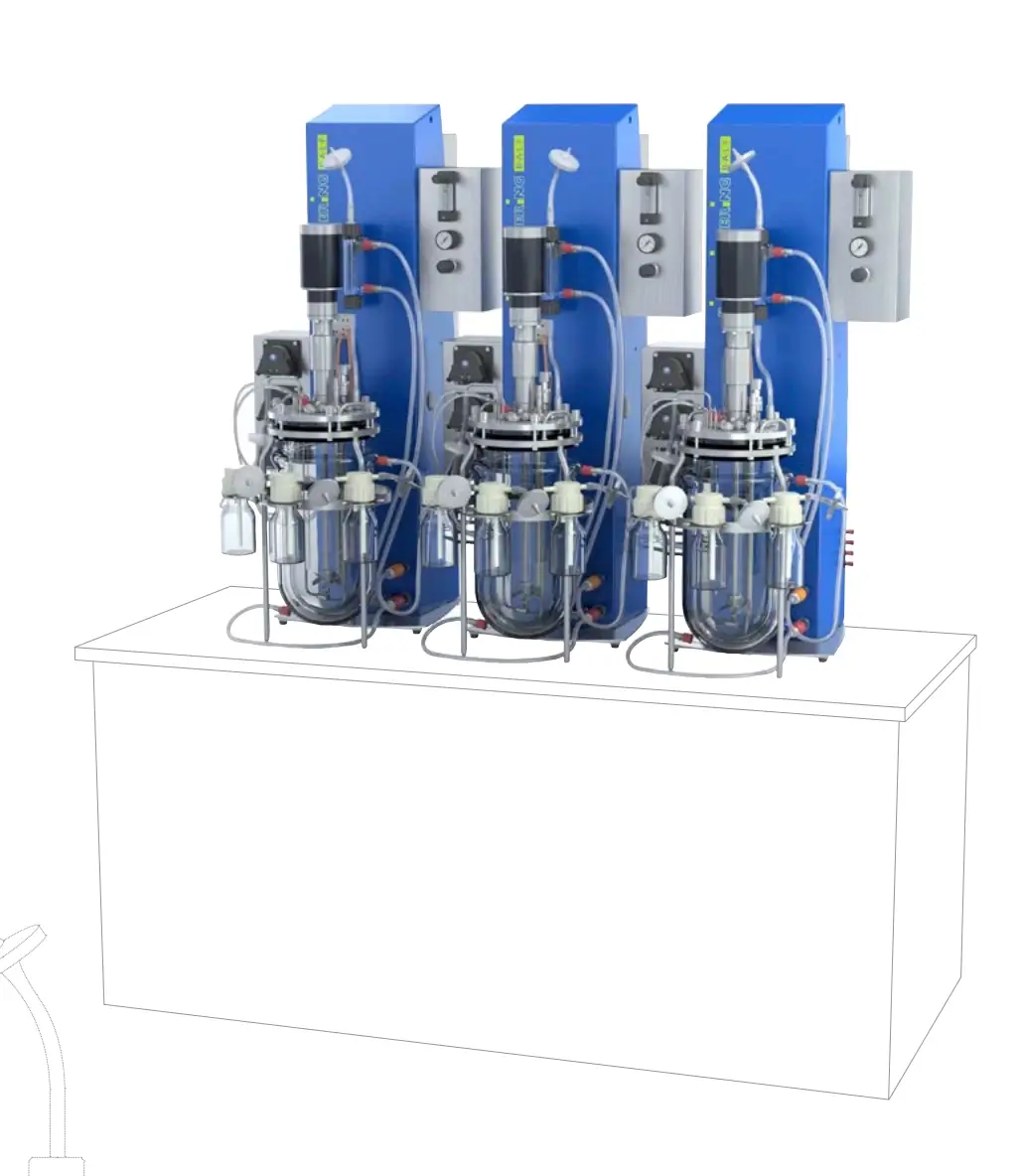
Bench-scale bioreactors typically operate in the low-liter range, usually with glass vessels. At this scale, the process is characterized in detail, including growth kinetics, feeding strategies, and the effects of agitation and aeration. This is also where scale-down studies are performed to reproduce production-scale conditions in smaller volumes.
One important difference between bench-scale systems is the sterilization method. In autoclavable systems, the vessel is transferred to an autoclave and later reconnected. In systems that can be sterilized in situ, the vessel is sterilized directly in its operating position, as occurs in industrial equipment.
The RALF by Bioengineering AG represents the first group. It is an autoclavable glass bioreactor with capacities from 1.3 to 4.5 liters and support for up to six bioreactors controlled by a single unit , and it is suitable for batch, fed-batch, and perfusion operation.
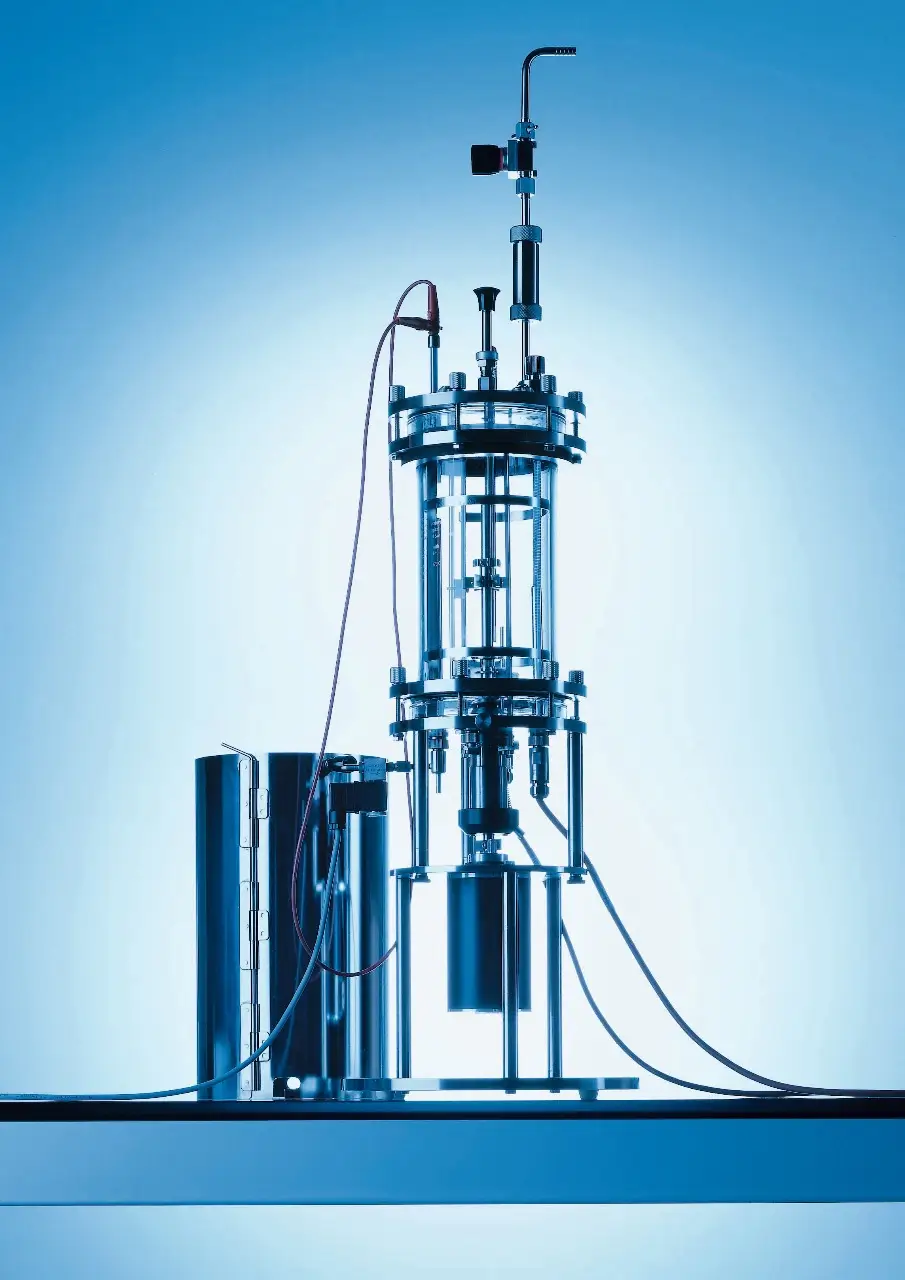
The KLF from the same manufacturer represents the second group. It is sterilized in situ using electrical heating, making it useful in laboratories without a steam line, and it offers capacities from 1.6 to 2.5 liters with either glass or stainless-steel vessels .
Pilot-scale bioreactors: the bridge between research and production
At pilot scale, volumes increase to tens or hundreds of liters and the vessel is generally made of stainless steel. The objective is to confirm that the process behaves appropriately outside the laboratory and to produce material for preclinical or clinical studies. Automated cleaning and sterilization systems, such as CIP and SIP, together with documentation suitable for regulated environments, become increasingly important.
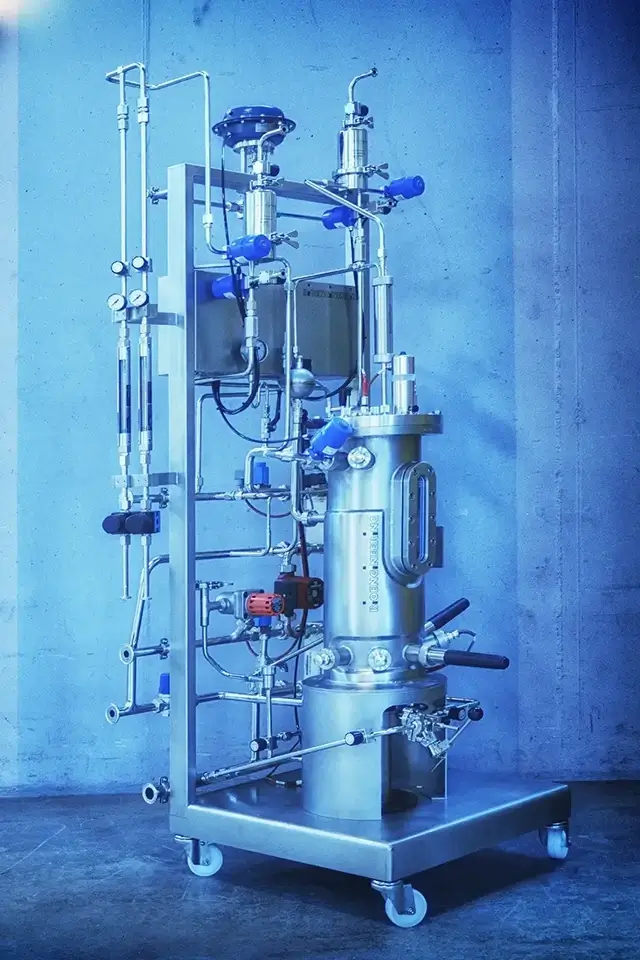
The NLF was designed for this transition. It provides capacities of 11, 13, and 20 liters, a stainless-steel vessel, automated SIP and CIP, and documentation aligned with FDA and EMA requirements for preclinical applications . For larger volumes, the LP/P covers working volumes from 28 to 1,000 liters with GMP-oriented technology for clinical production and scale-up.
Industrial production bioreactors
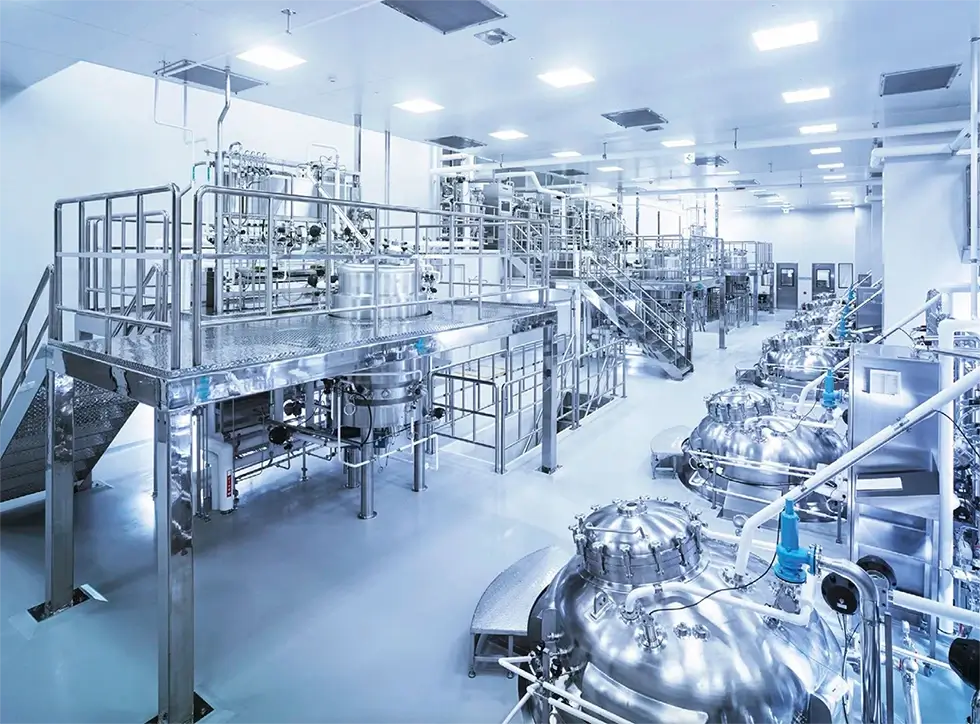
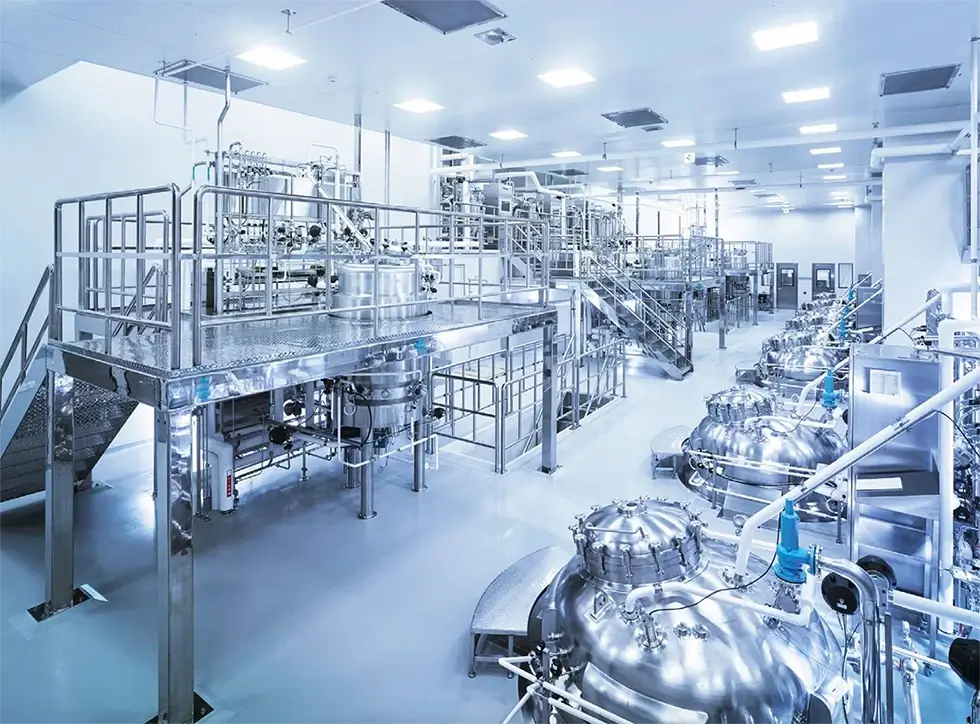
At industrial scale, each bioreactor is effectively an engineering project. The challenges increase with volume: thousands of liters must be mixed uniformly, sufficient oxygen must be transferred to the culture, and metabolic heat must be removed. For this reason, these systems are generally engineered according to the specific process requirements of each customer.
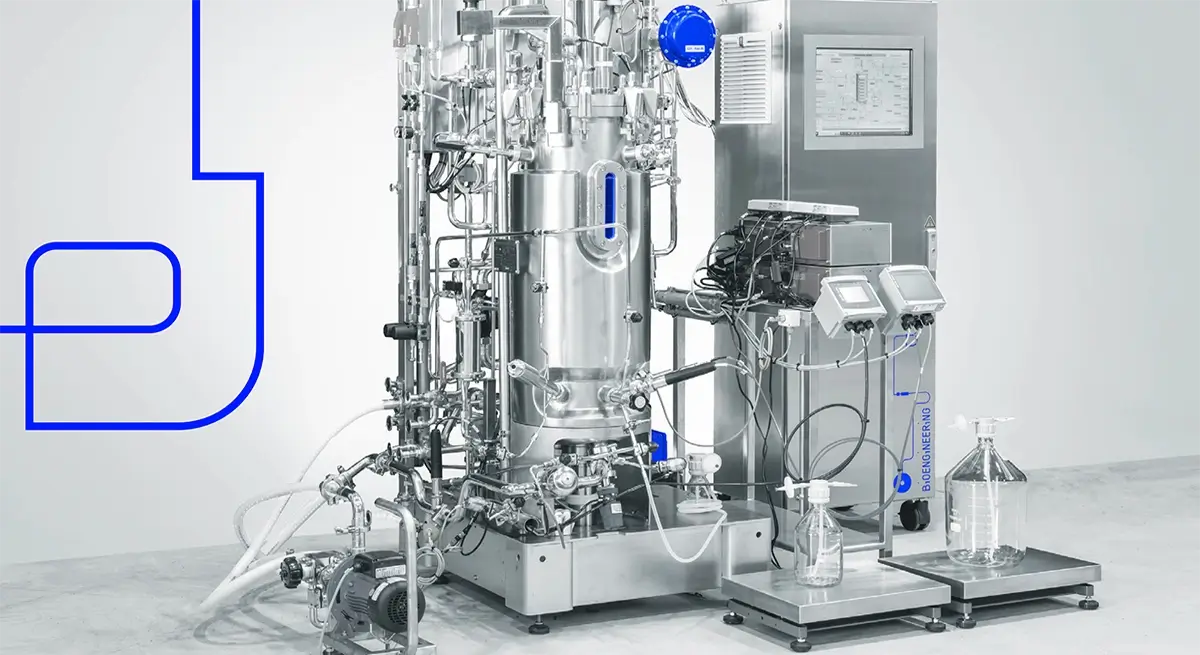
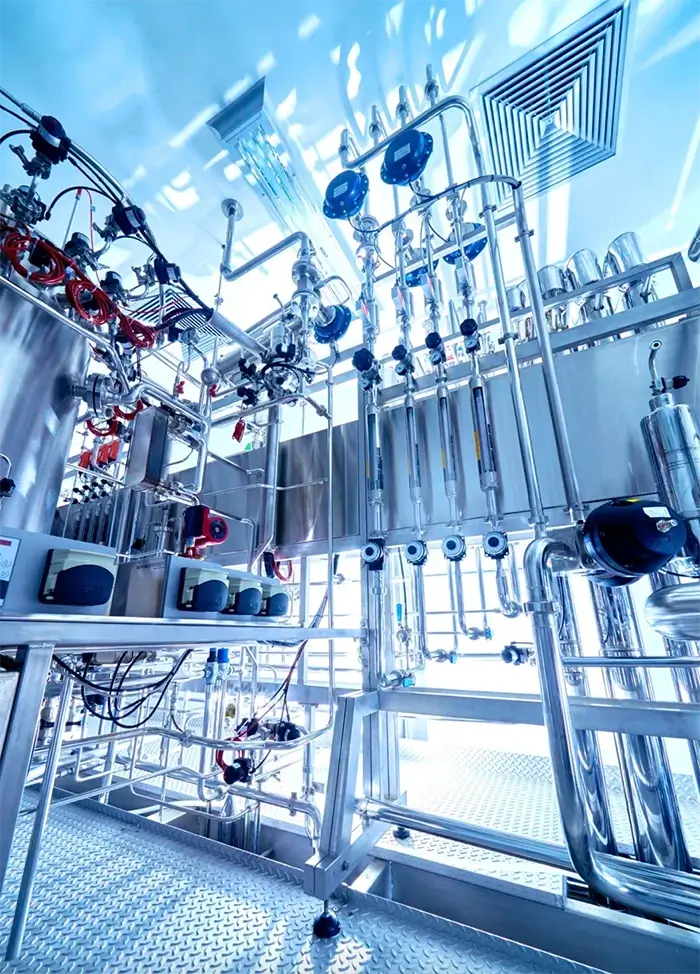
The Production Bioreactor line covers capacities from 30 to 25,000 liters, while Biofermenter Plants are custom-engineered for microbial cultivation at volumes of up to 50,000 liters.
The table below summarizes the relationship between scale, objective, and equipment:
| Scale | Working volume | Typical use | Examples |
|---|---|---|---|
| Microbioreactor | 800 to 2,400 µL per well | Strain and medium screening, feeding tests | BioLector XT |
| Bench scale | 1.3 to 4.5 L | Process characterization and scale-down | RALF, KLF |
| Pilot scale | 11 to 1,000 L | Scale-up validation and preclinical or clinical batches | NLF, LP/P |
| Production | 30 to 50,000 L | Industrial manufacturing | Production Bioreactor, Biofermenter Plants |
One factor simplifies transfer between these stages: according to Bioengineering, its laboratory and pilot systems use the same BioSCADA software as its production plants . Maintaining the same control logic between scales reduces the number of variables that change during process transfer.
Bioreactor operating modes
In addition to scale, cultivation performance depends on how nutrients enter the system and how products or culture material leave it. The four most common operating modes are:
- Batch: all major components are added at the beginning and no additional nutrients are supplied during cultivation, except for additions such as acid, base, or antifoam required for process control. It is a simple mode that is useful for studying fundamental culture behavior.
- Fed-batch ( fed-batch ): nutrients are added during cultivation. This makes it possible to control growth and achieve higher cell densities.
- Continuous: fresh medium enters the bioreactor while an equivalent portion of the culture leaves at the same flow rate, allowing the system to remain under near-steady-state conditions for extended periods.
- Perfusion: the medium is continuously renewed while cells are retained inside the bioreactor. This mode is commonly used for mammalian cell cultures.
The choice of operating mode depends on the organism, product, and process scale. Many industrial recombinant-protein processes use fed-batch cultivation, while perfusion becomes attractive when the product is unstable or when high productivity is required at lower working volumes.
Applications of bioreactors
In the pharmaceutical and biotechnology industries, bioreactors are used to produce monoclonal antibodies, vaccines, recombinant proteins, viral vectors, antibiotics, and enzymes. Chinese hamster ovary (CHO) cells are the leading platform among mammalian expression systems and, according to the same Nature Biotechnology survey, can reach antibody titers of 3 to 8 g per liter at production scale .
Outside the pharmaceutical sector, bioreactors are used in the production of probiotics, yeast, industrial enzymes, and food ingredients, as well as in microalgae cultivation, biofuel production, and biological wastewater treatment. In academic research, they are used to investigate microbial metabolism and develop new biological processes.
How to choose a bioreactor
There is no single bioreactor that is best in absolute terms. The right system is the one that matches the organism, process stage, and operational requirements. The following criteria are particularly important:
- Organism: bacteria and yeast generally tolerate more intensive agitation and often have high oxygen demand, while mammalian cells are typically more sensitive to shear.
- Objective of the process stage: screening requires parallelization; characterization requires precise control; production requires capacity and robustness.
- Sterilization: systems may be autoclavable, sterilizable in situ, or single use, depending on available infrastructure and batch frequency.
- Regulatory requirements: processes operating in GMP environments require appropriate documentation and data traceability, including considerations related to 21 CFR Part 11 .
- Continuity between scales: similar vessel geometry and consistent control systems can simplify scale-up.
Addressing these criteria before purchasing helps prevent investment in a system that is oversized for the current application or unable to support future process development. To compare available configurations, explore Innotec's bioreactor and biofermenter portfolio or speak with an Innotec specialist.
Frequently asked questions about bioreactors
What is a bioreactor, in simple terms?
A bioreactor is a piece of equipment that maintains controlled conditions such as temperature, pH, oxygen, and agitation so that cells, microorganisms, or enzymes can carry out a biological process.
What is the difference between a bioreactor and a fermenter?
Fermenter is the traditional term used for systems that cultivate microorganisms. Bioreactor is a broader term that also includes animal cells, plant cells, and enzymes. In microbial processes, the two terms are often used interchangeably.
What is the difference between a bioreactor and a microbioreactor?
The main differences are scale and parallelization. A microbioreactor operates with microliter or low-milliliter volumes and can test many conditions simultaneously. A conventional bioreactor operates with liters or more and is used for process characterization, validation, and production.
Which parameters are controlled in a bioreactor?
Commonly controlled parameters include temperature, pH, dissolved oxygen, agitation, gas flow, foam, liquid level, and nutrient feeding. More advanced systems may also monitor biomass and off-gas composition.
What is the most commonly used type of bioreactor?
The stirred-tank bioreactor is the most widely used configuration. It combines effective mixing, precise control, and a well-established scale-up pathway from laboratory development to industrial production.
What does an in situ sterilizable bioreactor mean?
It means that the vessel can be sterilized directly in its operating location using steam or heating, without being dismantled and transferred to an autoclave. This approach is widely used in industry and is also available in some bench-scale systems.
Glass or stainless-steel bioreactor?
Glass is common at bench scale because it allows visual observation of the culture and facilitates handling. Stainless steel predominates at pilot and industrial scales, where mechanical strength, in situ sterilization, and automated cleaning are required.
Why is oxygen so critical in a bioreactor?
Oxygen is essential for aerobic organisms but has limited solubility in culture media. If oxygen transfer is insufficient, cell growth and product formation can decrease, especially as working volume and biomass concentration increase.
Related reading
- Bioprocess
- Bioprocess Scale-Up
- Dissolved Oxygen (DO)
Other terms with the letter "B"
View allBioprocess
A bioprocess uses controlled cells, microorganisms or enzymes to produce, transform or purify substances of interest.
Bioprocess scale-up
Bioprocess scale-up transfers a biological process between scales while preserving performance, control and product quality.
Bioanalytical Method Bridging
Bioanalytical Method Bridging demonstrates comparability between a reference bioanalytical method and a modified or transferred condition.
Bioanalytical method bridging
Process aligning legacy and new bioanalytical assays to demonstrate continuity of precision, accuracy, and stability for regulatory submissions, often required when platforms change mid-development.
Referenced products
6 6 products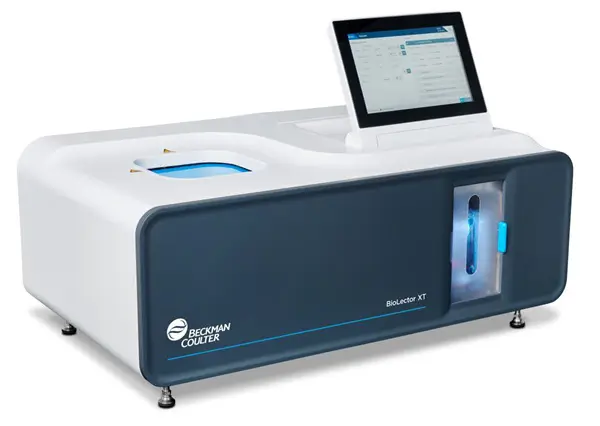
BioLector XT
The BioLector XT Microbioreactor will optimize your process. Precise control of pH, biomass, and DO with patented microfluidic technology and optical sensors.
KLF
KLF Bioreactor by Bioengineering AG. Discover its advanced features for precise control and flexibility in biotechnology.
LP / P
LP/P Bioreactor: 28–1000 L capacity with GMP technology
NLF
Discover the NLF bioreactor by Bioengineering AG, ideal for biotech pilot production. Learn more about its efficiency and automation.
Biofermenter Plant
Bioengineering Fermenter Plant: we develop custom systems for microbial cultivation with capacities of up to 50,000 liters and technical support.
Production Bioreactor
Bioreactors from 30 to 25,000 liters, specialized design and integrated solutions for sensitive growth and sterilization
Stay in the loop
Get updates, articles and news by email.
Expect news about equipment, services and regulations tailored to your locale.