

Full culture media analysis with 65 µL in 35 seconds
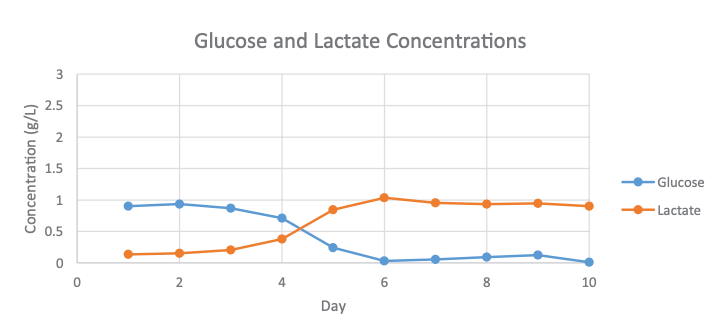
In a ten-day follow-up study of CHO-GFP cells (Chinese hamster ovary), the Vi-CELL MetaFLEX recorded the expected culture kinetics, with progressive glucose consumption and a corresponding increase in lactate, from daily media samples.
Each reading consumed only 65 µL and returned results in 35 seconds, covering pH, glucose, lactate, pCO2, pO2, and electrolytes in a single pass.
It is this operational envelope, rather than the list of parameters itself, that matters to those already operating media analyzers in routine workflows. Low volumes reduce the impact on the bioreactor's bioreactor working volume per sample, and the 35 seconds per reading enable more frequent sampling without creating a bench-top bottleneck .
In practice, this is the difference between sparse data points and a trend curve with sufficient resolution to intervene before a parameter drifts out of range, as the CHO-GFP study itself demonstrates.
Accuracy and linearity of culture media parameter measurement
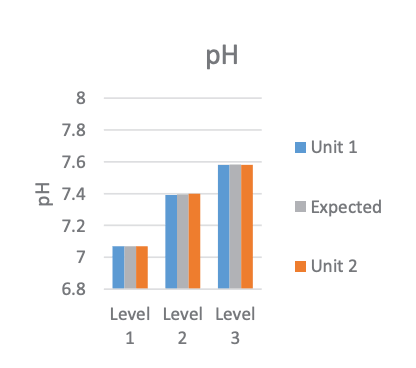
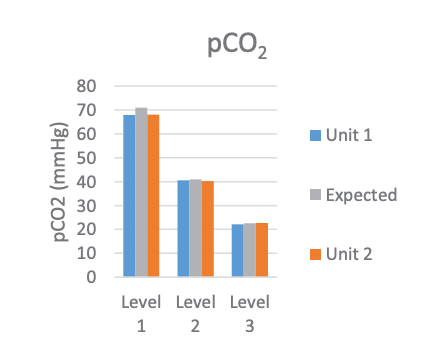
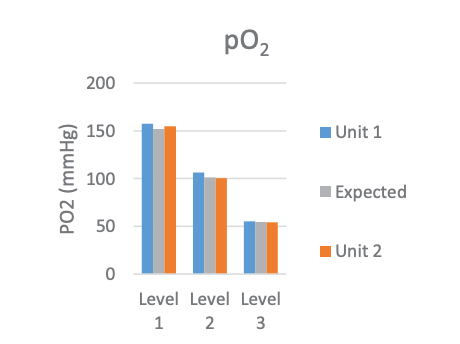
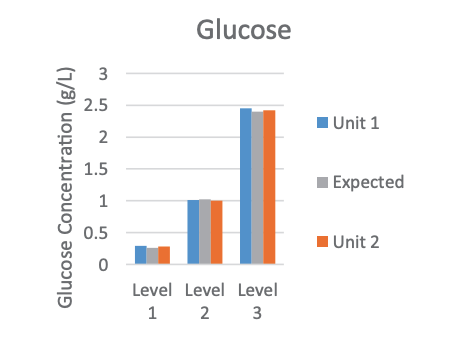
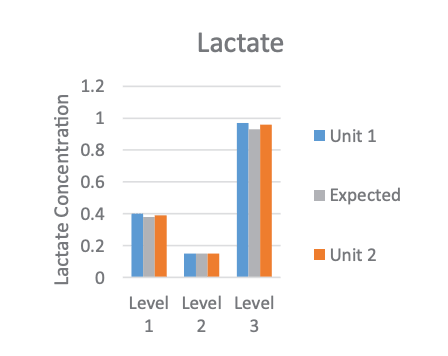
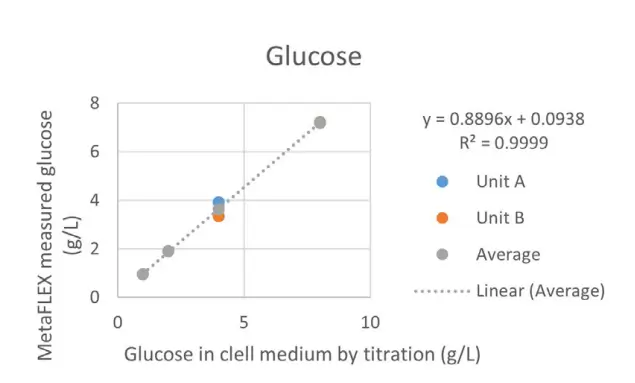
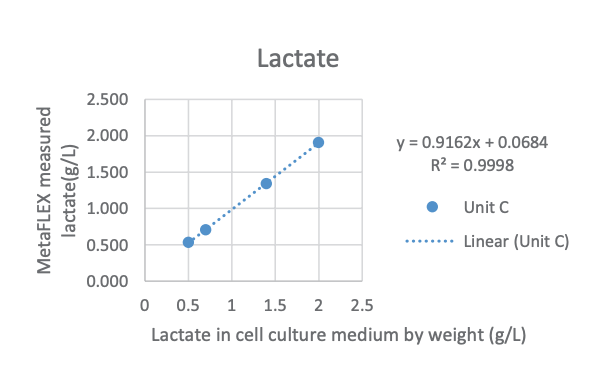
The validation data reinforce this assessment. In tests with Qualicheck5+ reference solutions conducted on two independent units, all parameters passed within expected ranges, with coefficients of variation mostly below 3%, and glucose and lactate curves showed linearity with R² close to 0.99.
Next, we will see how the Vi-CELL MetaFLEX delivers this complete culture media analysis in low volume and short time, covering everything from the technology behind the equipment to its validation in real culture:
- The technological heritage from which the platform derives
- The consumables architecture (sensor cassette and solution pack)
- The detection methods used for each parameter
- Inter-instrument precision and linearity data
- The application in a real CHO-GFP cell culture
Radiometer blood gas technology applied to cell culture
The Vi-CELL MetaFLEX is based on Radiometer's point-of-care blood gas analyzer technology, a recognized provider of solutions for acute care. It is from this origin in blood analysis that the platform inherits the measurement of culture parameters with immediate action, those that directly impact cell viability.
A remnant of this heritage appears in the equipment's detection methods themselves, which include spectrophotometry for whole blood-related parameters, alongside techniques used in culture media analysis.
Consumables architecture: sensor cassette and solution pack
In the Vi-CELL MetaFLEX , all measurements take place within a replaceable sensor cassette. This is where the miniaturized sensors for each parameter reside, and it is through this cassette that the sample flows after being aspirated by the analyzer's inlet probe.
Concentrating all detection in a single replaceable component means the critical part of the system, the sensors, is renewed by replacement, not by maintenance.
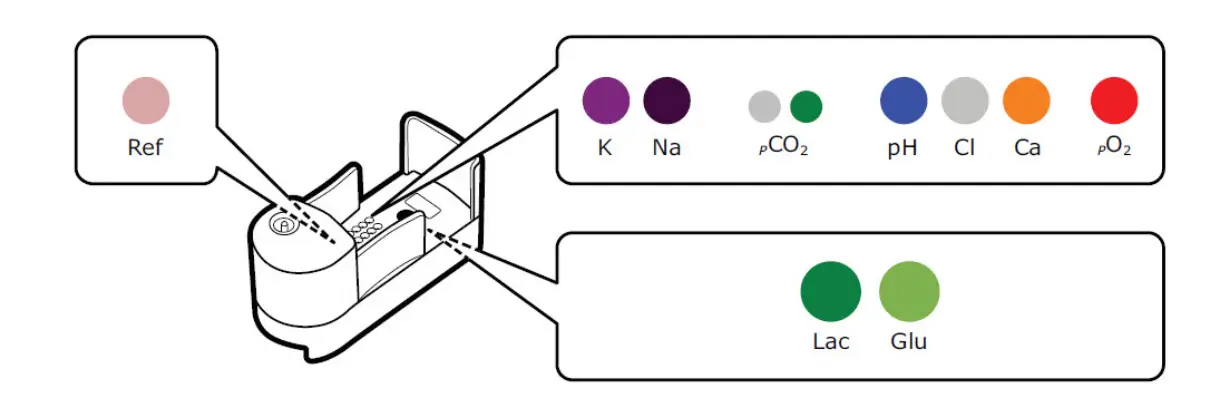
Complementing the cassette, a replaceable solution pack contains all the fluids necessary for operation. In addition to calibration and internal quality control solutions, the pack includes the equipment's own waste container, combining consumables and waste collection into a single unit.
The shelf-life control of these consumables is managed by the analyzer itself. The equipment notifies the user when the cassette or solution pack needs to be replaced, either due to reaching the maximum number of tests or reaching the registered expiration date (on-board).
Detection methods: how the Vi-CELL MetaFLEX measures each parameter
The Vi-CELL MetaFLEX does not use a single technique for all parameters. Each group of analytes is measured by the method most suited to its nature, and it is this combination, along with some specific sensor design features, that supports the complete analysis of the media in a single pass.
Potentiometry: pH, pCO2, and electrolytes
pH, pCO2, and electrolytes are measured by potentiometry, i.e., by the electrical potential difference between the sensor's solid-state contact and a reference electrode. This reference electrode maintains a fixed and stable potential against which the potentials of the other sensors are measured, and the sample composition does not alter this potential. The stability comes from its construction: a silver rod coated with silver chloride (Ag/AgCl) immersed in a solution of constant chloride concentration, establishing the Ag+/Ag equilibrium.
The potentiometric sensors are solid-state with PVC membrane, with one notable exception: the Cl- sensor uses an epoxy membrane.
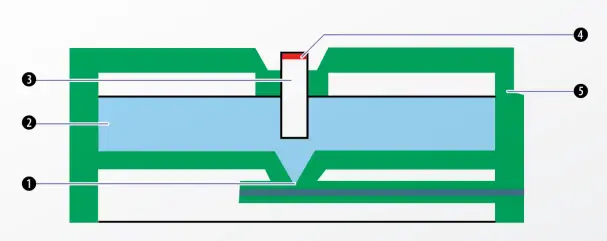
1. Membrane, interface with the sample
2. Electrolytic solution, acts as a salt bridge solution maintaining electrical contact between the electrode and the sample
3. Electrode, provides contact between the electrolyte and the electrical contact
4. Electrical contact, the electrical connection point between the electrode and the analyzer
Amperometry: glucose and lactate
Glucose and lactate are measured by amperometry, a technique that measures the magnitude of an electrical current. A constant polarization voltage is applied to the electrode chain, and the resulting current is measured by an ammeter. When glucose and lactate enter the sensor, they are converted to gluconic acid and pyruvate, respectively, generating hydrogen peroxide (H2O2). The oxidation of this H2O2 produces an electrical current proportional to its amount, which in turn is directly related to the concentration of glucose or lactate.
The sensor reflects this function in its layered structure: an outer membrane controlling analyte diffusion, an enzymatic layer with the corresponding oxidase, an inner cellulose acetate membrane, and the pair of platinum electrodes on the Ag/AgCl reference.
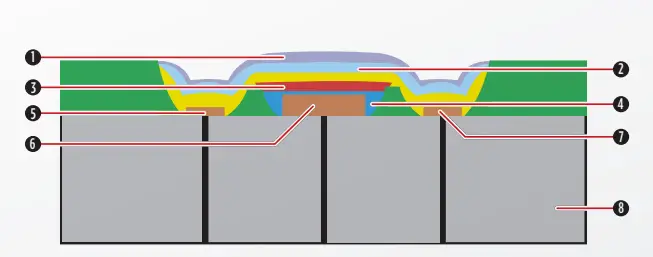
1. Biocompatible layer
2. Outer membrane, permeable to glucose/lactate, diffusion control
3. Enzymatic layer, contains glucose/lactate oxidase
4. Inner membrane, cellulose acetate
5. Reference, Ag/AgCl electrode
6. Anode, platinum electrode
7. Cathode, platinum electrode
8. Sensor base, structural platform upon which the sensor is formed
Optical pO2 sensor
The pO2 sensor is the most distinct among them, as it is not electrochemical but optical. Its measurement is based on oxygen's ability to reduce the intensity and decay time of the phosphorescence of a phosphorescent dye in contact with the sample. Light emitted by a green LED is reflected by a dichroic mirror onto the sensor, the returned red light passes through the mirror to a photodetector, and the electrical signal proportional to the light intensity is sent to the converter and processing unit, which calculates the pO2 concentration.
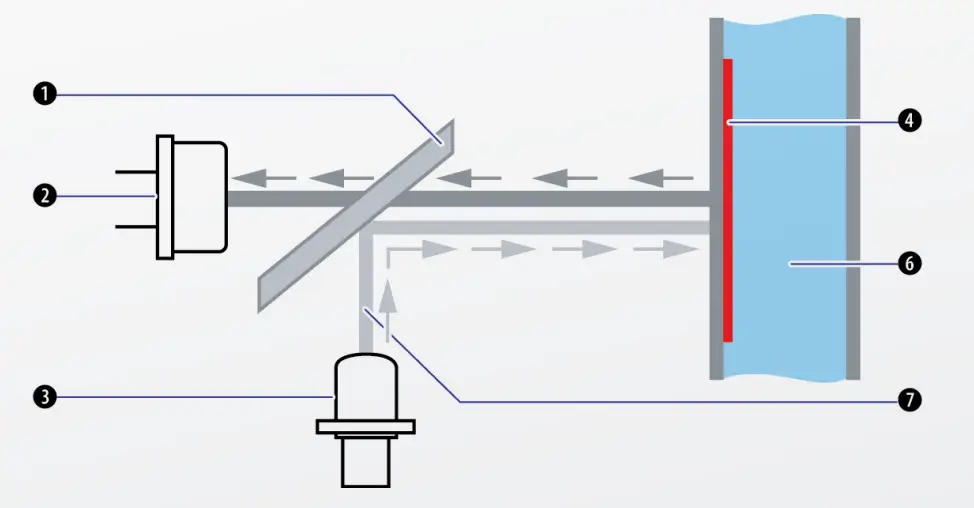
1. Dichroic mirror
2. Photodetector
3. Green LED
4. pO2 sensor
5. Phosphorescence
6. Sample
7. Excitation light
Measurement accuracy and linearity of culture media parameters
The reliability of a media analyzer is demonstrated on two levels: the consistency of results between equipment (precision and accuracy) and the fidelity of response across the concentration range (linearity). The Vi-CELL MetaFLEX was evaluated on both.
Inter-instrument precision and accuracy with Qualicheck5+
Accuracy and precision were tested with Qualicheck5+ reference solutions (levels 1, 2, and 3), applied to two independent units of the equipment. For each level, three runs were performed with a new ampoule for each measurement, as exposure of the solution to air can compromise pO2, pCO2, and pH values. The results for each parameter were evaluated for passing within the expected range and for the coefficient of variation, a measure of repeatability.
Compared side by side, the two units showed passed results and high correlation with each other, parameter by parameter, demonstrating the consistency of readings not only within a single unit, but also between distinct units.
Glucose and lactate linearity
Linearity was evaluated with gravimetric solutions of glucose and lactate in DMEM media, at increasing concentrations. The readings were fitted to a line to verify the proportionality of the response. Glucose was measured on two units, and lactate on one, and in both cases, the equipment linearly tracked the concentration variation across the tested range.
Application in real culture: monitoring CHO-GFP cells
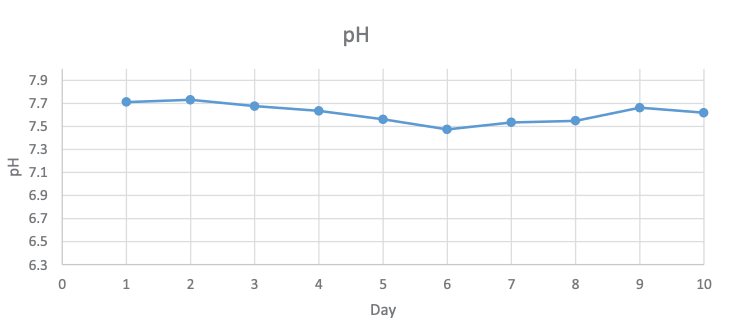
In addition to tests with reference solutions, the Vi-CELL MetaFLEX was applied to monitoring a real culture. Chinese hamster ovary (CHO) cells positive for green fluorescent protein (GFP) were used, cultured in media, with samples collected daily over ten days. Each sample was analyzed on the equipment to track the evolution of media composition over time, with special attention to glucose, lactate, and pH.
The results followed the expected culture behavior: glucose concentration decreased over time, consumed by the cells, while lactate increased, accumulated as a metabolic byproduct. The pH trend is less pronounced, as the expected drop is small over the period.
This monitoring demonstrates, in practice, the equipment's ability to analyze culture media and reveal its kinetics over the days, exactly the scenario where low sample volume and rapid response translate into daily sampling without compromising the culture.
Conclusion: reliable culture media analysis in seconds
The Vi-CELL MetaFLEX proves to be an effective tool for culture media analysis of mammalian and insect cells, measuring the most important culture parameters in a single pass: pH, glucose, lactate, pCO2, pO2, and electrolytes. By requiring only 65 µL of sample and delivering results in 35 seconds, it serves cultures from small to large scale, with samples that can be introduced by syringe, capillary tube, test tube, sample cup, and similar containers.
The results gathered throughout this note summarize the equipment's proposition well. The technique combines detection methods suited to each parameter, a consumables architecture that concentrates detection in a replaceable cassette, and the heritage of Radiometer's blood gas technology. In testing, this translated into passed results and high correlation between two independent units, linear responses for glucose and lactate, and faithful tracking of the kinetics of a real CHO-GFP cell culture over ten days. Together, inter-instrument precision, linearity, and performance in real matrix point to a consistent analyzer ready for routine bioprocess monitoring.
To learn more about the Vi-CELL MetaFLEX or request a quote, contact Innotec.
See the original note clicking here
Frequently asked questions
How long does a complete culture media analysis take?
On the Vi-CELL MetaFLEX, a complete reading (pH, glucose, lactate, pCO2, pO2, and electrolytes) is delivered in 35 seconds from a single sample.
What is the minimum sample volume required to analyze culture media?
The Vi-CELL MetaFLEX requires only 65 µL per reading. This volume reduces the impact on the bioreactor's working volume per sample and enables more frequent sampling.
Which culture media parameters can be measured in a single reading?
In a single pass, the Vi-CELL MetaFLEX measures pH, glucose, lactate, pCO2, pO2, and electrolytes, the immediate-action parameters that directly affect cell viability.
How is dissolved oxygen (pO2) measured in culture media?
On the Vi-CELL MetaFLEX, pO2 is measured by an optical sensor, not an electrochemical one. The measurement is based on oxygen's ability to reduce the phosphorescence of a dye in contact with the sample, using a green LED, dichroic mirror, and photodetector.
Is it possible to track glucose and lactate kinetics throughout the culture?
Yes. By consuming low volume and responding in seconds, the Vi-CELL MetaFLEX allows daily sampling without compromising the culture. In a CHO-GFP cell culture followed for ten days, the equipment recorded the progressive glucose decrease and lactate increase over time.
How is result reliability guaranteed between different units?
Accuracy and precision were evaluated with Qualicheck5+ reference solutions on two independent units, with results passing within expected ranges and high correlation between units, indicating consistency not only within a unit but also between distinct units.
What types of containers can be used to introduce the sample?
The sample can be introduced by syringe, capillary tube, test tube, sample cup, and similar containers, aspirated by the analyzer's own inlet probe.