

Product catalog
Browse categories and refine by standards and industries to find the right equipment for each locale.
Product catalog
Debug: | Busca:
Available products
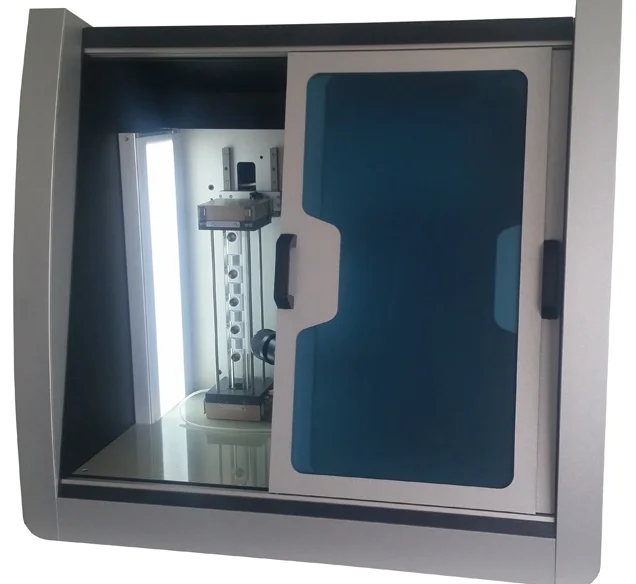 Teclis Scientific
FOAMSCAN - Foam stability analyzer
FOAMSCAN is the most precise laboratory solution for foam stability analysis, saving time in the formulation of foaming products.

Advanced bioanalytical instruments for biomolecule analysis, immunoassays, and biomarker detection in research and diagnostics.
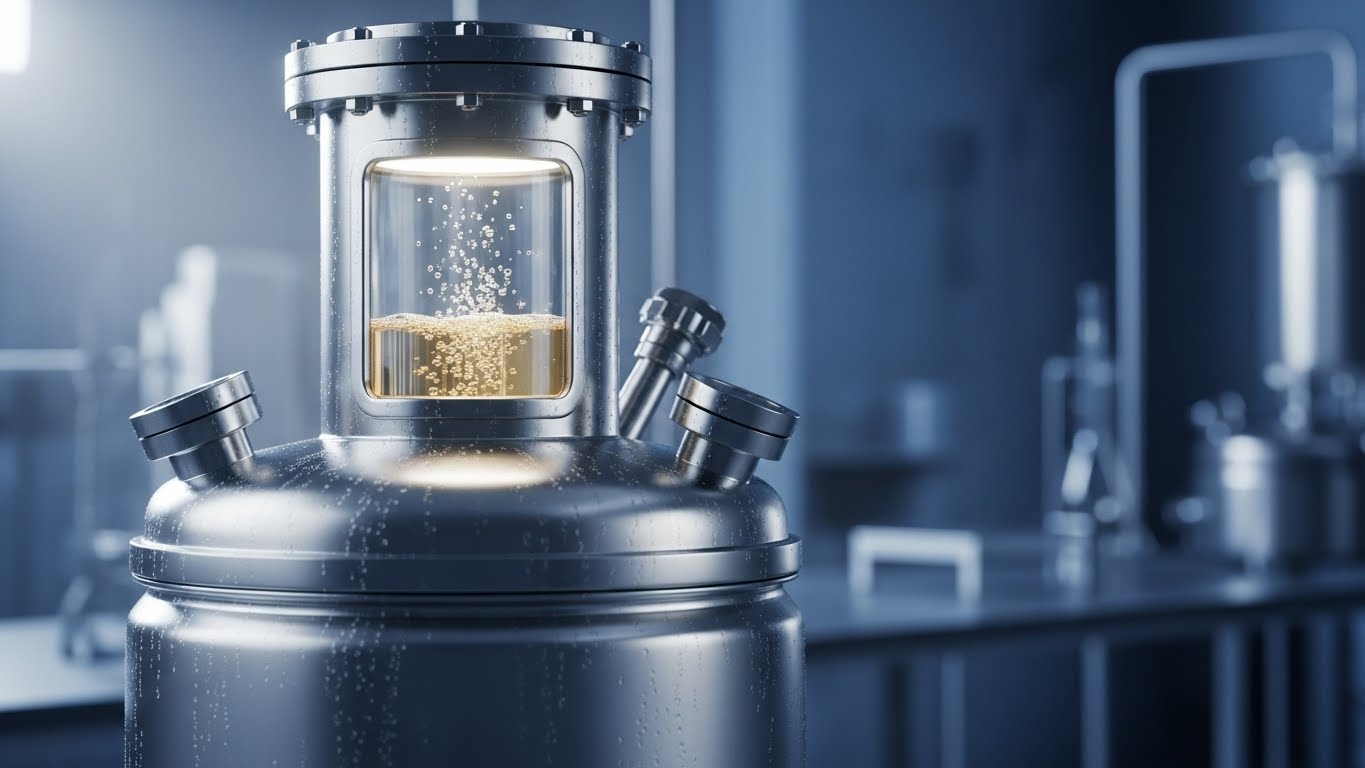
Bioreactor systems for cell culture, fermentation, and bioprocess optimization with advanced control and monitoring capabilities.
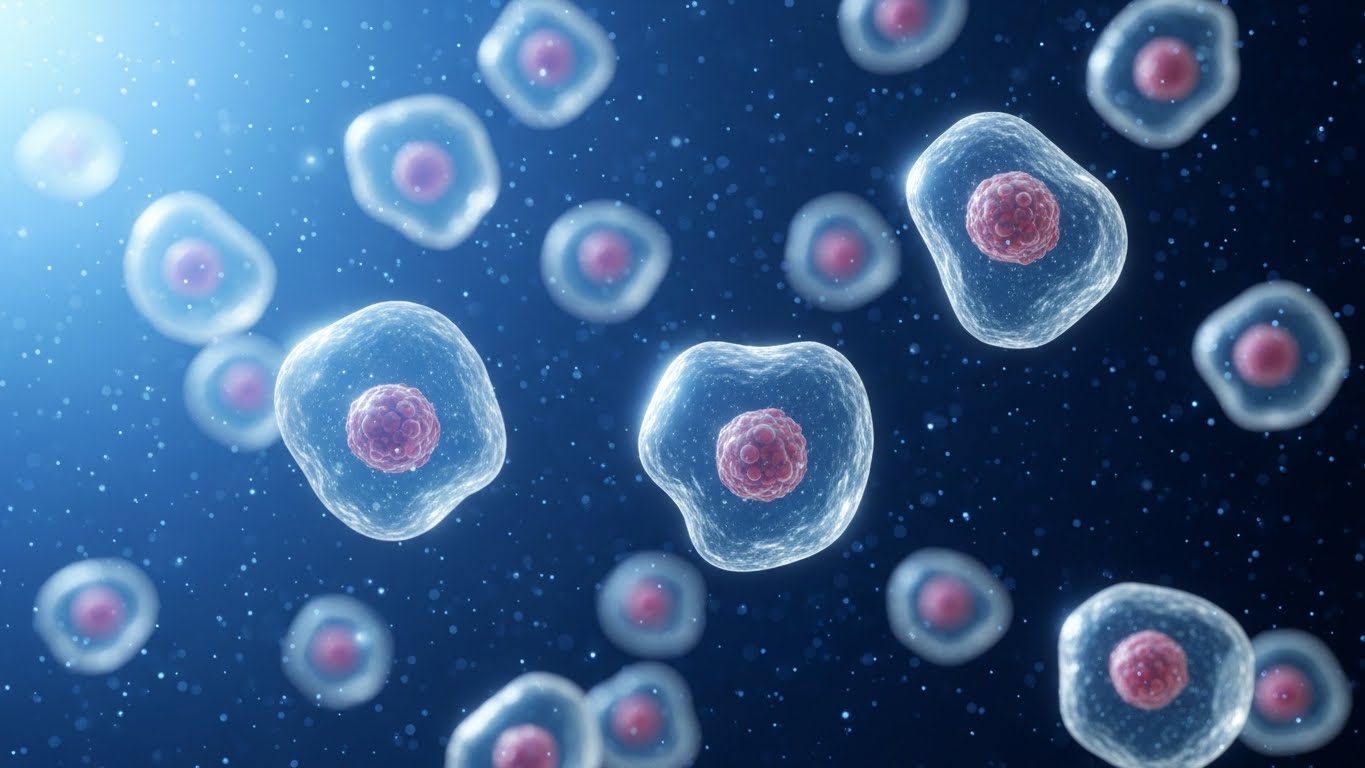
Automated cell counting systems for biological samples, blood analysis, and cell culture monitoring with high accuracy and reproducibility.
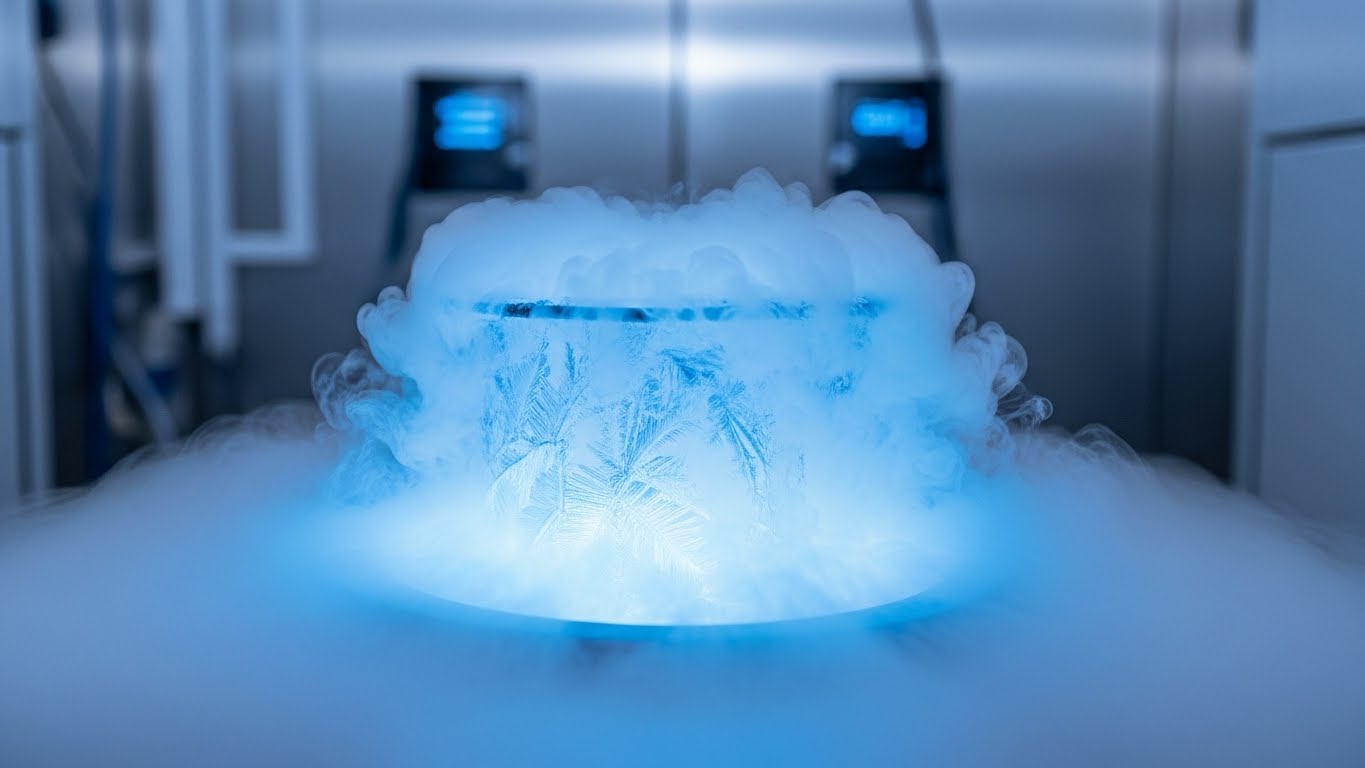
Cryogenic systems and equipment for ultra-low temperature storage, processing, and research applications in life sciences and materials.
Dynamic Vapor Sorption (DVS) analyzers for studying moisture interaction, absorption, and desorption in materials and pharmaceuticals.
Specialized particle counting equipment designed for liquid analysis. Ideal for monitoring oil purity, hydraulic fluids, and pharmaceutical liquid products.
Specialized equipment for magnetic fluid hyperthermia research and therapeutic applications in biomedical and medical research.
Sophisticated analysis tools for nanoparticle research and development, offering detailed size distribution and characterization capabilities.
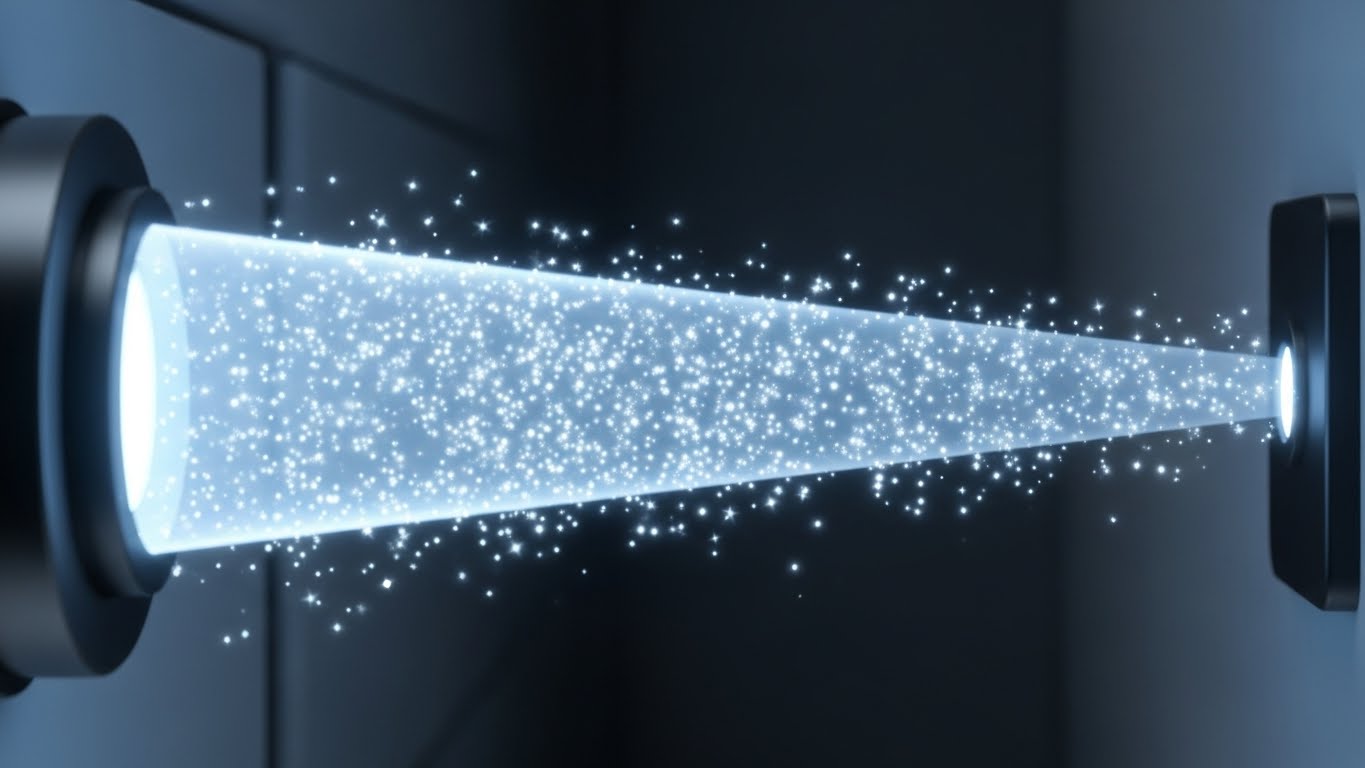
Advanced particle counting systems for detecting and measuring particles in gases. Essential for cleanroom monitoring, pharmaceutical manufacturing, and semiconductor production.
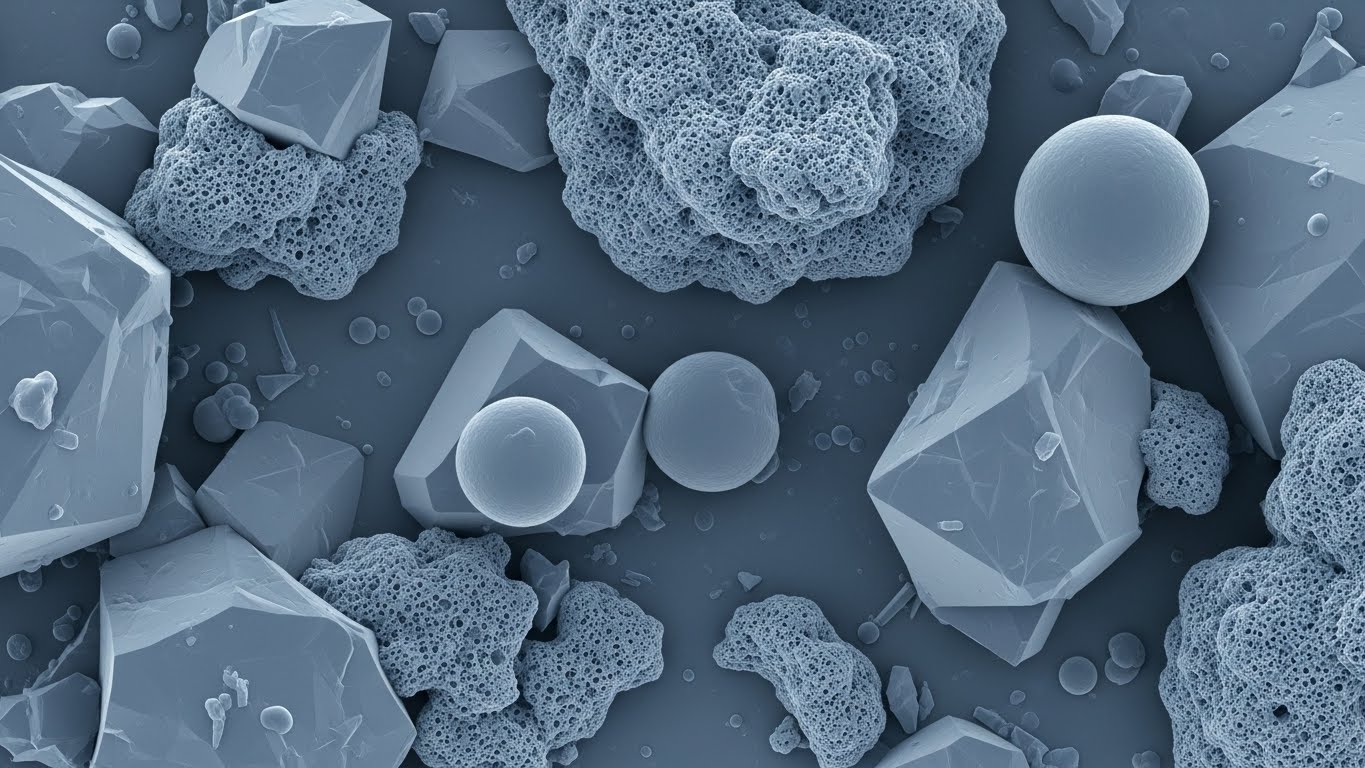
Morphological analysis systems providing detailed particle shape, size, and form factor measurements for material characterization.
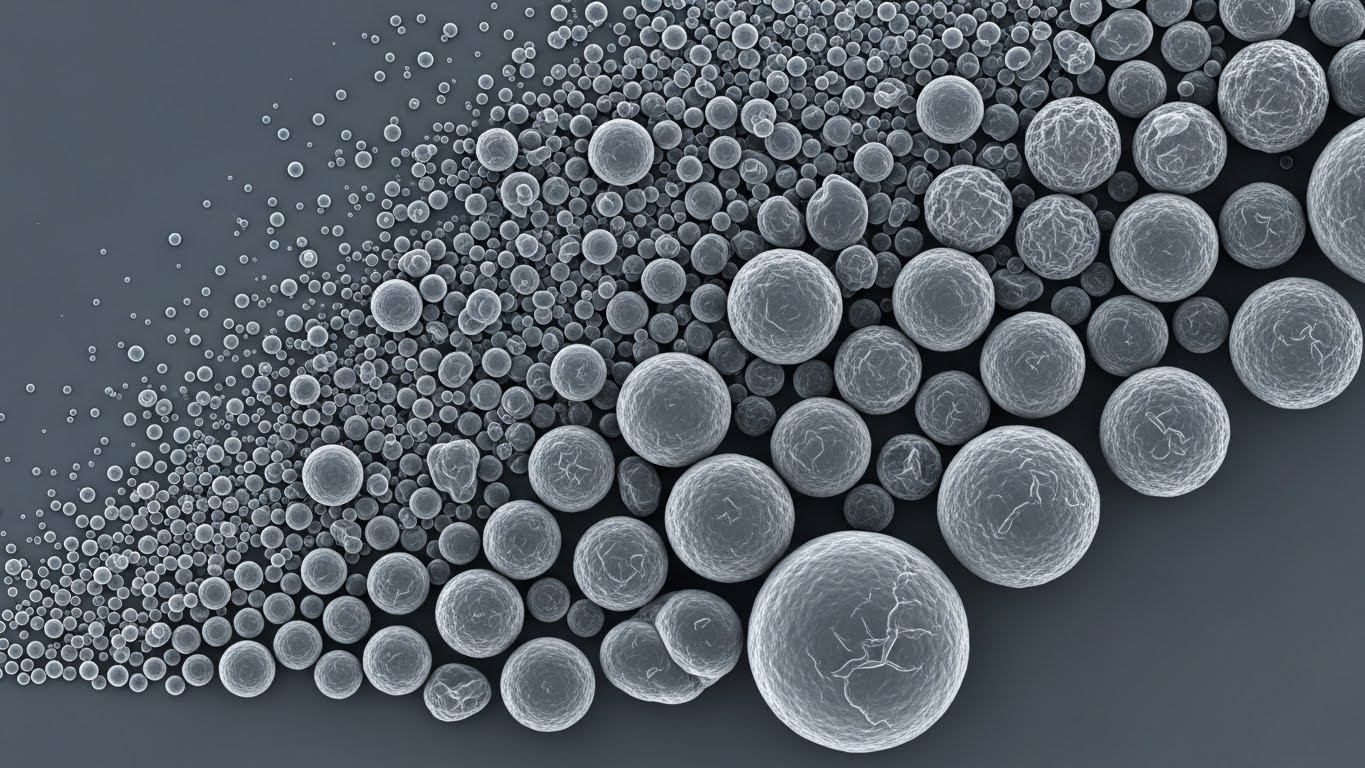
Comprehensive particle size measurement solutions using advanced laser diffraction and dynamic light scattering technologies for precise characterization.
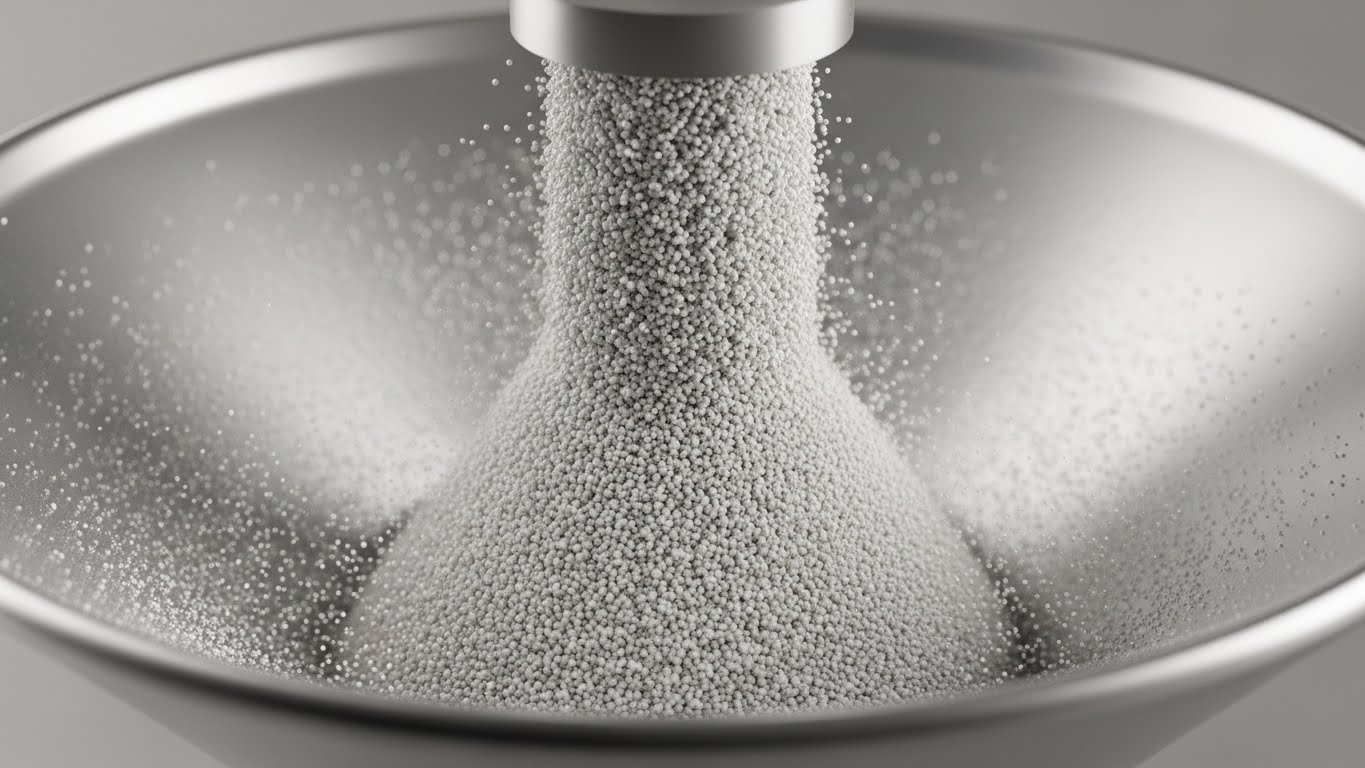
Advanced powder characterization systems measuring flow properties, density, and rheological behavior essential for pharmaceutical and food industries.
Analysis instruments for evaluating colloidal stability and dispersibility of suspensions, emulsions, and other dispersed systems.
Precision surface tension measurement instruments for quality control, formulation development, and interfacial chemistry research.
Total Organic Carbon (TOC) analyzers for water quality analysis, pharmaceutical testing, and environmental compliance monitoring.
Vapor desorption analysis equipment for assessing moisture and volatile content in powders, solids, and pharmaceutical substances.
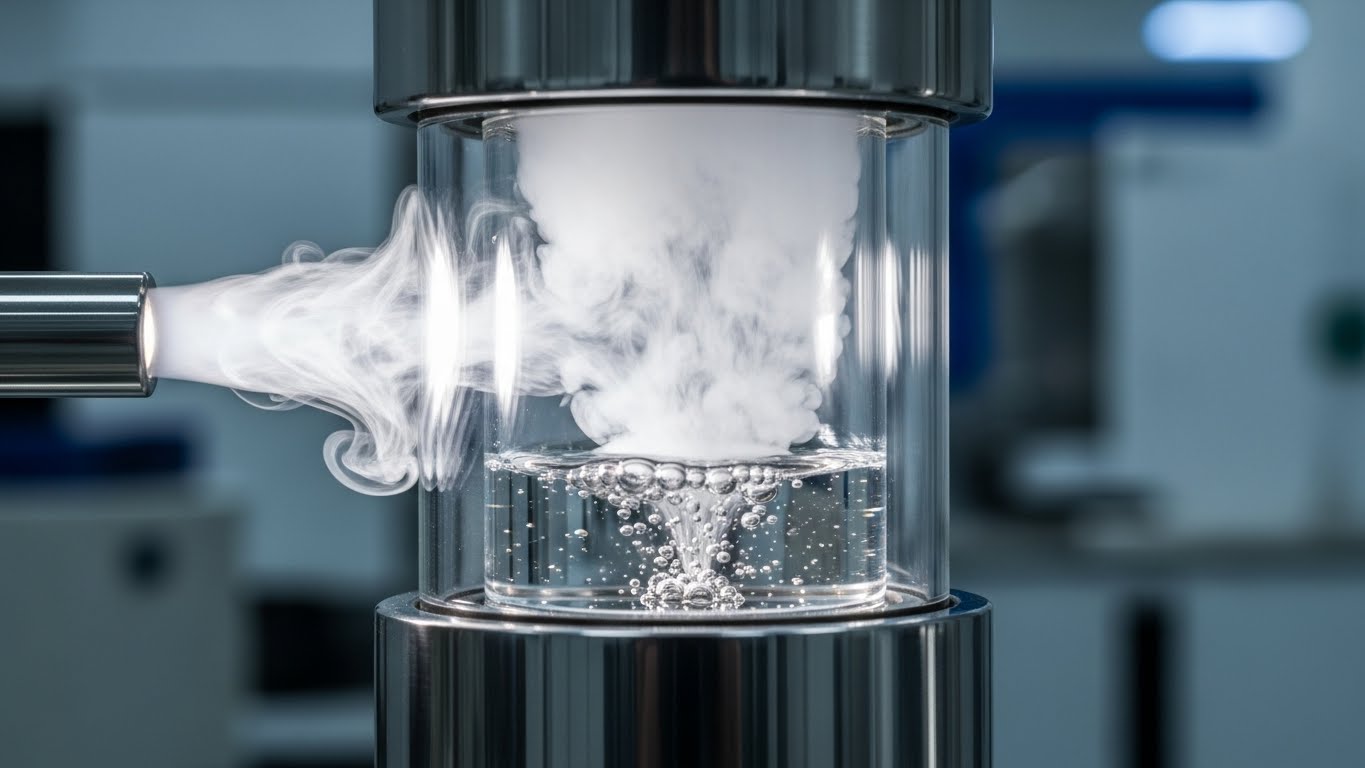
Vapor pressure measurement instruments for volatile compound analysis and thermodynamic property determination in materials science.
Complete environmental monitoring systems for viable and non-viable particle detection in cleanrooms and controlled environments.
Precision instruments for measuring electrostatic potential of colloidal systems. Critical for formulation development, stability assessment, and quality control.
ASTM D6393 is the standard test method for bulk solids characterization by Carr Indices. It defines apparatus and procedures for eight measurements and two calculations describing the behaviour of powders and granular materials. The current version is ASTM D6393/D6393M-21.
EN 17141:2020 is the European standard for biocontamination control in cleanrooms and associated controlled environments. Published by CEN in August 2020, it consolidates the content of both parts of the ISO 14698 series, which it superseded as a CEN standard, and adds risk assessment, microbiological measurement methods and sector specific annexes.
EP 2.2.44 is the European Pharmacopoeia general chapter covering determination of total organic carbon (TOC) in water for pharmaceutical use. It prescribes no single method: it defines the procedures for qualifying the chosen method and interpreting results in limit tests. The nominal limit is 0.50 mg/L of carbon.
EP 2.9.19 is the European Pharmacopoeia general chapter covering particulate contamination by sub-visible particles in injections and infusions. It defines two procedures: Method 1, light obscuration particle count, and Method 2, microscopic particle count. The chapter is harmonised with USP 788 and JP 6.07.
European standard for assessing powder flow properties.
Requirements for aseptic manufacturing and controlled environments.
Method for determining particle density in liquids.
ISO 14644-1:2015 classifies air cleanliness in cleanrooms and clean zones according to the concentration of airborne particles.
Specification for liquid particle counters.
ISO 21501-4:2018 defines calibration and verification methods for light scattering airborne particle counters used in clean spaces.
ISO 9001:2015 defines internationally recognized requirements for implementing, maintaining and continually improving a quality management system.
Japanese method for particle analysis in injectable drugs.
Japanese method for physicochemical testing of solutions.
Korean standard for particle counting in injectables.
Guidance for powder flow and properties testing.
Total organic carbon test in water.
Electrical conductivity test for purified water.
Method for particle analysis in small-volume injectables.
Method for particle counting in parenteral solutions.
Standard for particle counting in ophthalmic solutions.
21 CFR Part 11 is the FDA regulation setting the criteria under which electronic records and electronic signatures are considered trustworthy and equivalent to paper records and handwritten signatures. It applies to records required by other FDA regulations (predicate rules) when kept in electronic form.