

ZetaView Evolution
Nanoparticle Counter and Analyzer, Zeta Potential and fluorescence with 4 wavelengths
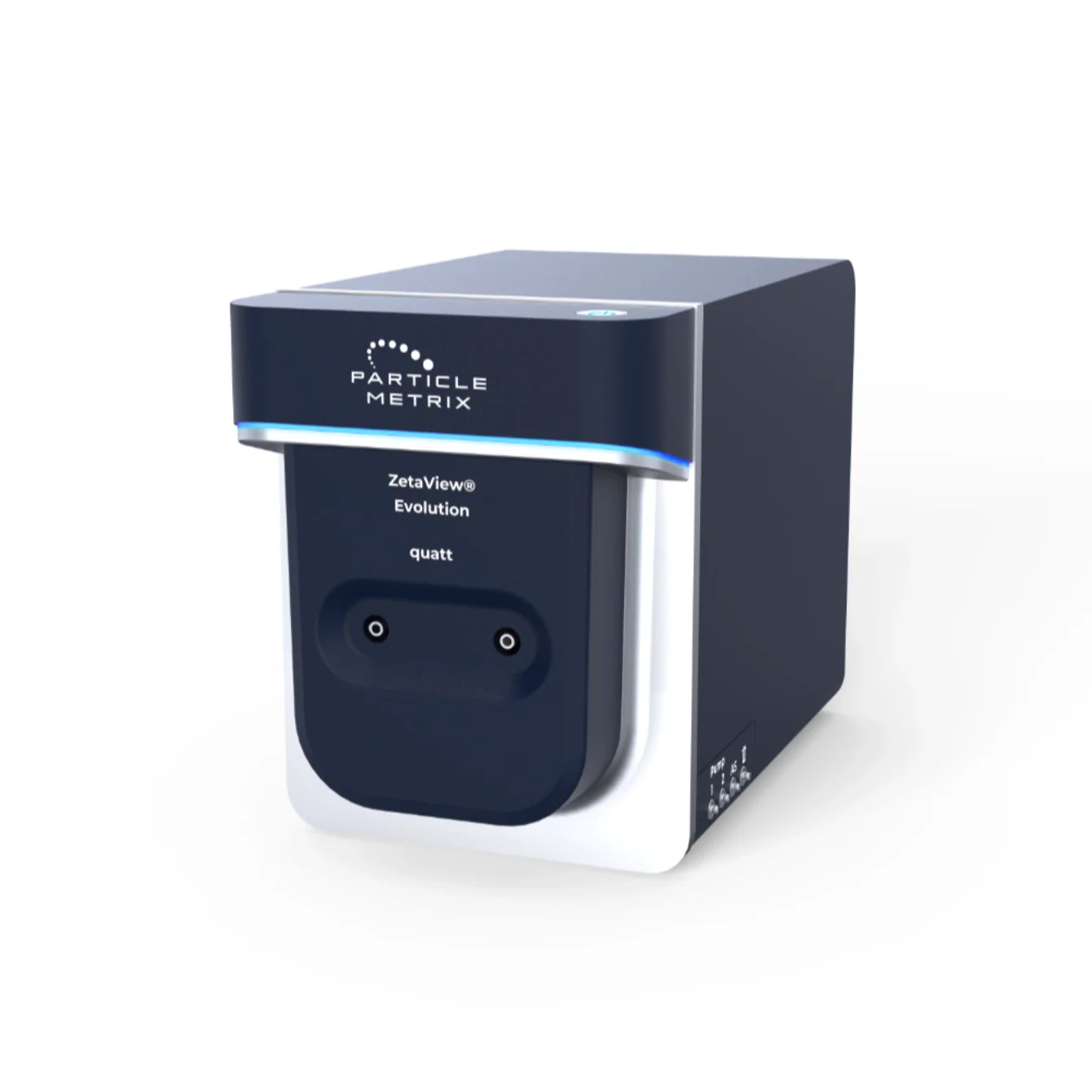
ZetaView Evolution
Nanoparticle Counter and Analyzer, Zeta Potential and fluorescence with 4 wavelengths
Nanoparticle Counter and Analyzer, Zeta Potential and fluorescence with 4 wavelengths
ZetaView Evolution
Nanoparticle Counter and Analyzer, Zeta Potential and fluorescence with 4 wavelengths
ZetaView® Evolution - Nanoparticle Tracking Analyzer
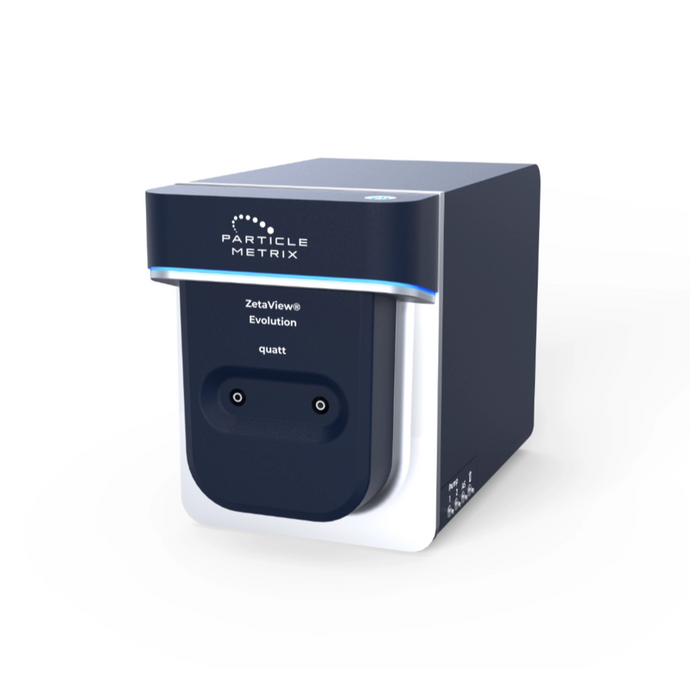
Explore the colorful nanocosmos with the new ZetaView® Evolution . Designed for precision, it combines size analysis, concentration, zeta potential, and multi-channel fluorescence into one powerful system. It sets new standards in nanoparticle analysis with cutting-edge colocalization capabilities and unparalleled sensitivity.
Nanoparticle Tracking Analysis (NTA) Technology
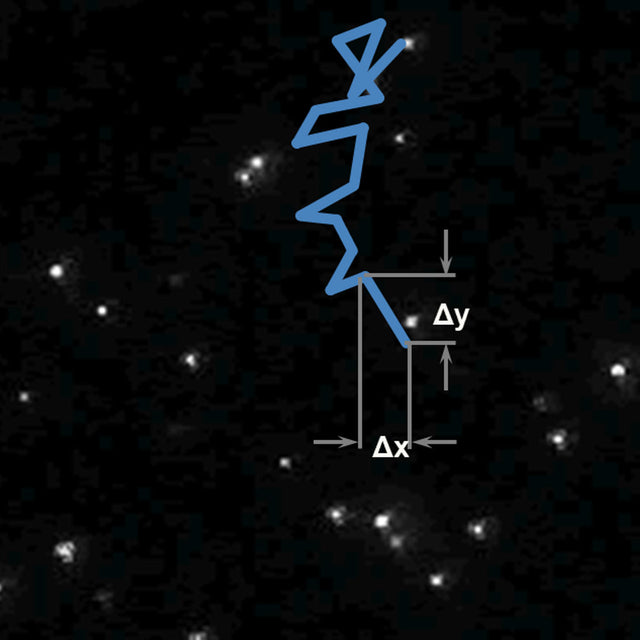
Nanoparticle Tracking Analysis (NTA) is a widely used technique to characterize nanoparticles in liquids. It combines laser light scattering and video microscopy to visualize and track the Brownian motion of individual particles. By analyzing their motion, the particle size (hydrodynamic diameter) and concentration can be determined using the Stokes-Einstein equation.
- Scanning NTA for size determination via Brownian motion tracking
- Calibration-free size and concentration determination
- Size range: 10 – 1000nm (sample and laser dependent)
- pH range: 1 - 13
New Concentration Scanning Technology
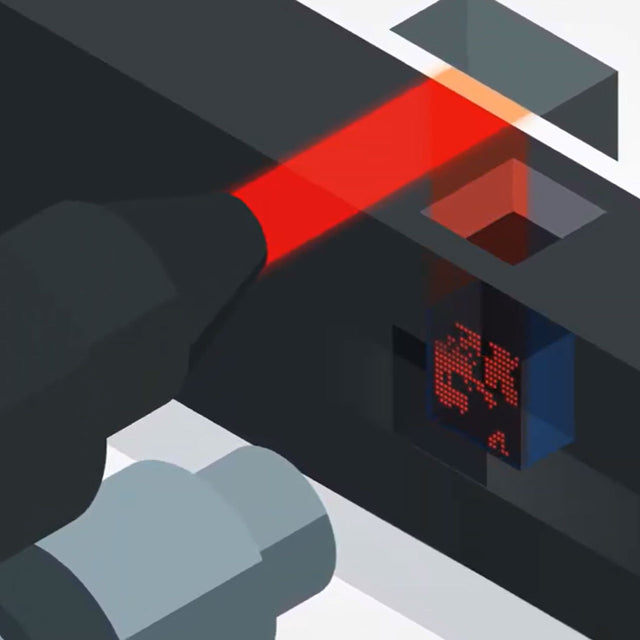
Our new and innovative Concentration Scanning Technology revolutionizes nanoparticle concentration measurements. The advanced technology captures all particles by scanning the entire measurement volume.
Key advantages:
- Calibration-free measurements
- Direct comparability between different sample types
- Direct comparability between fluorescence and scattering channels
- Precise and reproducible results over a wide concentration range: 10⁵ – 10⁹ particles/ml
Calibration-Free Zeta Potential Measurement
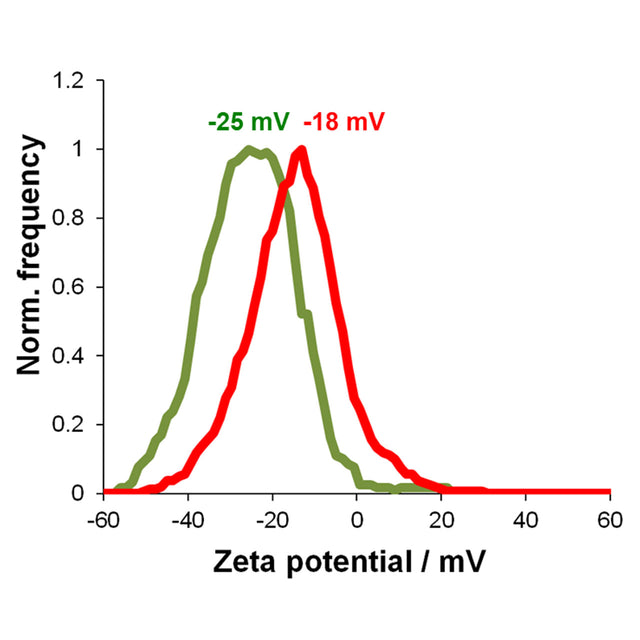
Zeta Potential is the electrical potential at the slipping plane of a particle suspended in a fluid. It indicates the degree of electrostatic repulsion or attraction between particles and is a key parameter for predicting the stability of colloidal dispersions.
A high absolute zeta potential (positive or negative) suggests strong repulsive forces, which help prevent particle aggregation . The ZetaView® Evolution can measure zeta potential directly within its quartz glass measurement cell – without the need for disposables.
- Zeta potential working range: -500mV - +500mV
- Direct measurement in quartz cell
- No disposable materials needed
High-Sensitivity Fluorescence Analysis (F-NTA)
Using fluorescence mode (F-NTA), more specific results can be obtained, since impurities such as salt precipitates or protein aggregates do not impact the measurement result.
Fluorescence specifications:
- Up to 4 lasers: 405nm, 488nm, 520nm and 640nm or 660nm
- Up to 11 fluorescence channels with custom filters
- Improved sensitivity level: <20 AF488 molecules (<10 binding sites)
- Measurement of up to 11 subpopulations in your sample
Advanced Colocalization Analysis (C-NTA)
Integrated Colocalization Nanoparticle Tracking Analysis (C-NTA) allows simultaneous detection of biomarkers on individual particles - ideal for Extracellular Vesicle (EV) research, virus characterization, and targeted drug delivery studies.
- Colocalization of two fluorophores on one particle
- Simultaneous detection of multiple biomarkers
- Ideal application for EV research
- Advanced virus characterization
Applications in Biomedical Research
Extracellular Vesicles (EVs)
Complete characterization of extracellular vesicles including exosomes, with size analysis, concentration, and specific marker analysis through multi-channel fluorescence.
Virus Characterization
Detailed analysis of viruses and virus-like particles, essential for vaccine development and antiviral therapies.
Drug Delivery Systems
Development and characterization of nanocarriers for targeted drug delivery, including liposomes and polymeric nanoparticles.
Evolution System Configurations
The ZetaView® Evolution offers flexible system configurations - mono, twin, and quatt - designed to meet the diverse demands of nanoparticle research. Each configuration delivers essential capabilities like size and concentration measurement with optional enhanced features.
| MONO | TWIN | QUATT | |
|---|---|---|---|
| Size | ✓ | ✓ | ✓ |
| Concentration | ✓ | ✓ | ✓ |
| Zeta Potential | optional | optional | optional |
| Fluorescence | optional | ✓ | ✓ |
| Colocalization | ✗ | optional | optional |
| Lasers | 1* | 2* | 4 |
| Fluorescence Channels | 1–3 | 2–6 | 4–11 |
* Selection between 405 nm, 488 nm, 520 nm, 640 nm or 660 nm
ZetaSphere Software
Combining the popular and intuitive ZetaView software with requirements for multi-level sample analysis, we created the new ZetaSphere software – designed for a seamless user experience.
Software highlights:
- Predefined settings for different applications
- Real-time size and concentration statistics
- Complete multi-parameter sample reports
- One-click laser switching
- Database event log for data integrity
Complete Technical Specifications
High-performance nanoparticle analysis, proudly made in Germany.
- Size range: 10 – 1000nm (sample and laser dependent)
- Concentration range: 10⁵ – 10⁹ particles/ml
- Zeta potential: -500mV to +500mV
- Fluorescence sensitivity: <20 AF488 molecules
- Available lasers: 405nm, 488nm, 520nm, 640nm, 660nm
- Fluorescence channels: Up to 11 channels with custom filters
- pH range: 1 - 13
- Measurement cell: Quartz, reusable
Stay in the loop
Get updates, articles and news by email.
Expect news about equipment, services and regulations tailored to your locale.